


Every great television show and movie eventually faces the same terrifying moment … the ending
You can spend five seasons building characters. You can create mythology, solve mysteries, win Emmys, make millions of people rearrange their schedules around Thursday night, and become the thing everyone discusses at work the next morning.
Then comes the finale, and suddenly, you’ve got 60 minutes to avoid becoming a punchline for the next 20 years.
No pressure.
Some endings land so perfectly they become part of pop culture forever. Some leave us staring at a black screen wondering if our cable went out. Others inspire arguments that last longer than certain presidential administrations. And then there are the endings that make you wonder whether the writers’ room was evacuated halfway through the final episode.
The best endings don’t necessarily make everyone happy.
In fact, that’s often the point. They make us feel something. And, decades later, we’re still talking about them.
The Sopranos: The Cut to Black Heard Around the World

No television ending has produced more arguments from people standing near televisions than The Sopranos.
Tony Soprano sits in a diner with his family. Journey plays. People enter. The camera cuts around the room. Tony looks up. And then—
Black. Nothing. No credits explaining what happened. No final gunshot. No comforting speech. Just America simultaneously checking whether its cable box had exploded.
For casual viewers, the brilliance (and frustration) of the ending is that creator David Chase refused to provide a clean answer. Did Tony die? Did he survive? Was the entire point that his life had become a permanent state of paranoia?
Congratulations, you now have homework.
Fan Stop Nation’s Cut-to-Black Confusion Index: 84% of viewers reportedly looked directly at their television and said, “WHAT THE HELL!?” while the other 16% pretended they immediately understood it.
“I didn’t lose the signal. I lost my ability to trust television.”
New Jersey viewer, approximately seven seconds after the finale
4 8 15 16 23 42
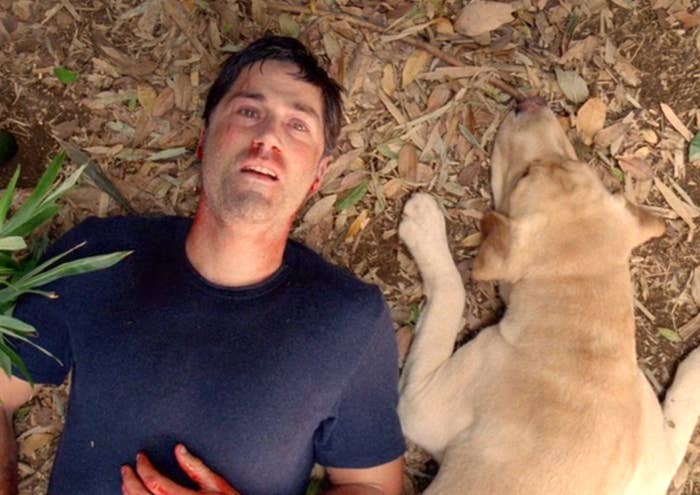
The ending everyone was sure they understood … until they didn’t. LOST spent six seasons asking questions:
- What is the island?
- What is the smoke monster?
- What’s inside the hatch?
- Why are there polar bears?
- Why is everyone sweating so much?
The show created one of television’s most devoted fan communities because viewers weren’t simply watching LOST … they were investigating it.
Message boards became crime scenes. Every commercial break generated theories. Some people owned whiteboards.
The finale attempted to provide emotional closure rather than answer every mythology question, and that decision remains one of the most misunderstood endings in television history. No, they weren’t dead the entire time. Yes, people are still explaining this.
Fan Stop Nation’s Island Explanation Calculator: It would take approximately 14 hours, three diagrams and one emotionally exhausted friend to explain the LOST finale to someone who stopped watching after Season 2.
“The ending made perfect sense after I watched it six times, read 400 internet posts and stopped demanding answers about the polar bears.”
Former hatch enthusiast

Mad Men: The Coca-Cola Commercial That Made Everyone Question
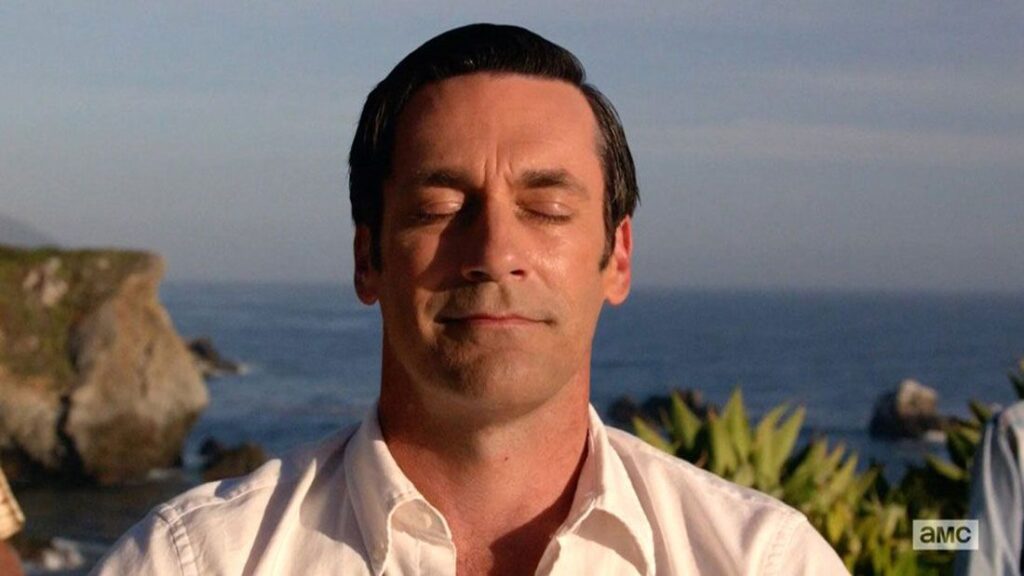
Some finales explode. Mad Men meditated.
Don Draper ended his journey sitting peacefully at a California retreat, finally appearing to find something resembling inner peace. Then the show cuts to one of the most famous commercials in history:
🎵 “I’d Like to Buy the World a Coke.” 🎵
And suddenly the entire series makes another kind of sense.
Was Don spiritually transformed? Did he simply have a brilliant advertising idea? Was enlightenment immediately followed by a creative meeting?
The answer is probably yes. That’s what made the ending what it was.
Mad Men understood that people don’t necessarily become completely different. Sometimes they simply find a new way to use who they already are.
Fan Stop Nation’s Existential Advertising Index: Don Draper experienced approximately 19 emotional breakthroughs before converting one of them into a global marketing campaign.
“Nothing says spiritual growth like finding inner peace and immediately selling soda.”
Madison Avenue creative director
Wings: When Nantucket Got Weirdly Emotional
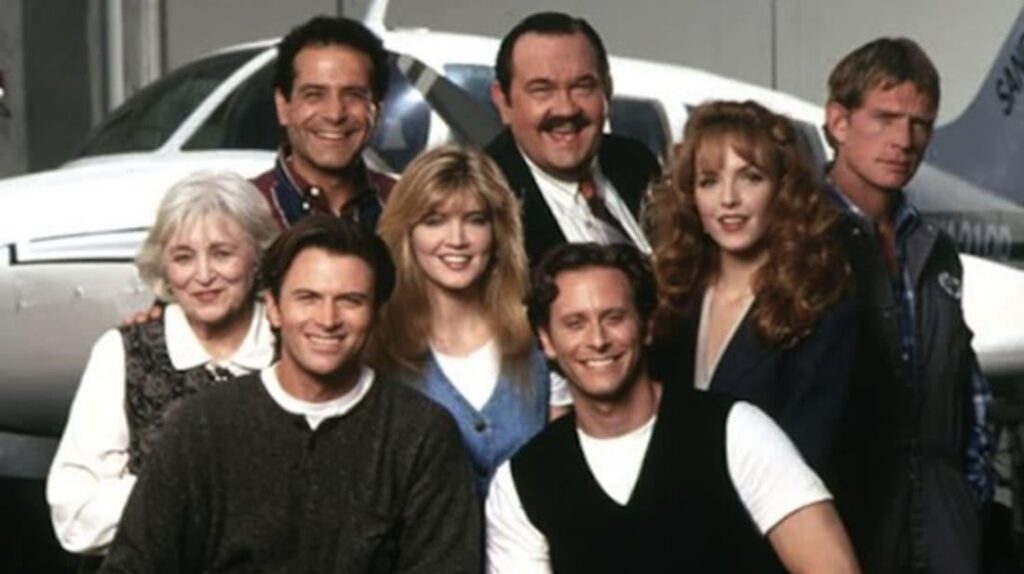
Here’s a deep breath for the Wings fans. Yes, we remember you … we are you.
The show about the Hackett brothers running an airline on Nantucket was one of those dependable ’90s sitcoms that felt like comfort food. You could turn it on, recognize everyone, laugh for 30 minutes and briefly forget your own problems.
Then came the ending.
The finale sent the characters in different directions while maintaining the show’s warm, bittersweet tone. It wasn’t trying to reinvent television.
That’s exactly why it worked. Sometimes an ending doesn’t need explosions or a shocking death. Sometimes people just move on. Which, honestly, might be more emotionally difficult than watching a dragon burn down a city.
Fan Stop Nation’s Nantucket Departure Index: 71% of longtime Wings viewers experienced an unexpected urge to call an old friend after the finale.
“I came for the airport jokes. I stayed because apparently these idiots became my family.”
Aviation television enthusiast
M*A*S*H: The Ending That Stopped the Country
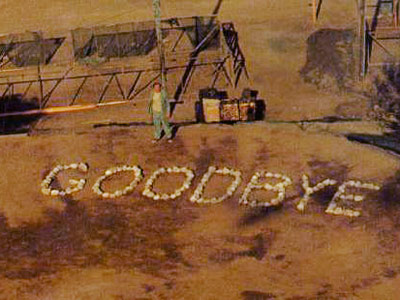
The finale of M*A*S*H wasn’t simply a television episode — it was an event.
More than 100 million Americans watched the series finale in 1983, a staggering audience for a show that had spent more than a decade balancing comedy with the horrors of war.
The final episode understood what M*A*S*H had always been about.
- War ends.
- People don’t simply return to normal.
- The characters had changed.
- The audience had changed.
And when Hawkeye saw the word “GOODBYE” spelled out in stones, television delivered one of its most famous final images.
Fan Stop Nation’s National Television Gathering Index: During the M*A*S*H finale, approximately 97% of American households suddenly had one person saying, “Everybody be quiet. This is important.”
“We laughed for eleven years and then television punched us directly in the feelings.”
Living room medic Major
Newhart: The Ending That Broke the Fourth Wall and Our Brains
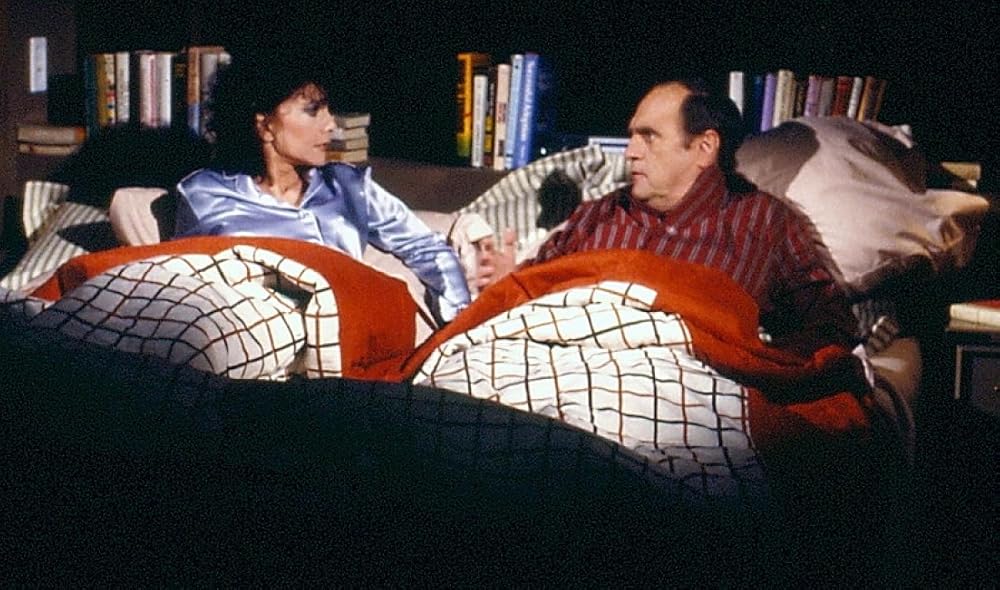
Bob Newhart’s second major sitcom ended with one of the greatest twists in television history.
After the strange events of Newhart, Bob wakes up in bed … next to Suzanne Pleshette … as his character from The Bob Newhart Show!
The entire series had apparently been a dream. And somehow, against all odds, it was hilarious.
This is the rare dream ending that actually worked because the joke wasn’t “none of it mattered.” The joke was that television itself is ridiculous.
The audience had spent years accepting the weirdness of Vermont, and Newhart rewarded them by saying, essentially: “Yeah, that was weird, wasn’t it?“
Fan Stop Nation’s Dream Sequence Acceptance Rate: 99% of television writers were legally required to watch the Newhart finale before attempting their own dream ending.
“The man woke up next to his old sitcom wife and somehow made continuity problems funny.”
Television writer currently deleting three pages
Breaking Bad: When Television Actually Stuck the Landing
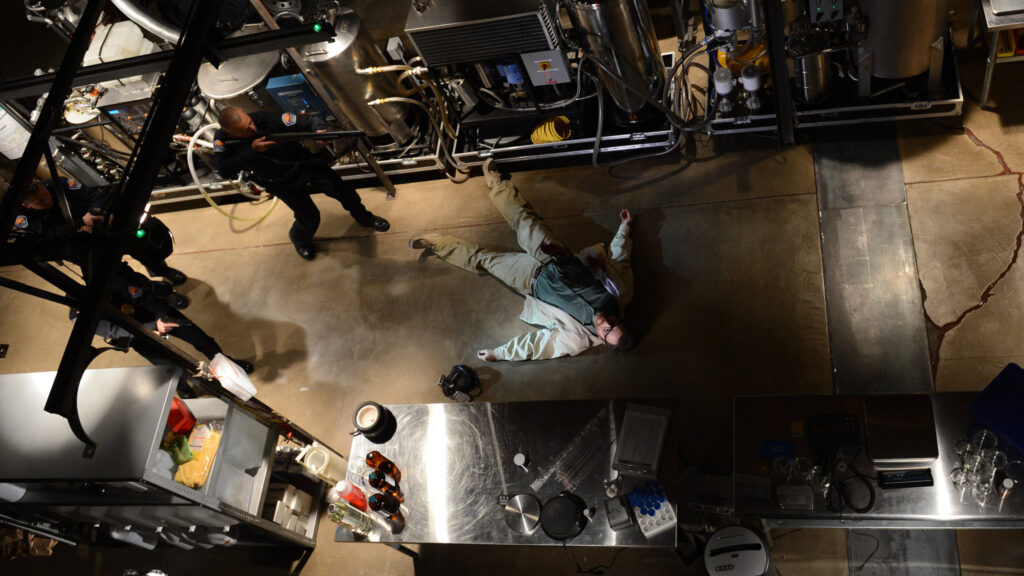
For years, television fans lived with one terrifying fear: “What if Breaking Bad screws this up?” … It didn’t.
Walter White’s final journey delivered consequences without abandoning spectacle. He returned to Albuquerque, settled unfinished business, rescued Jesse in his own deeply messed-up Walter White way, and died surrounded by the thing that had helped destroy him … the chemistry equipment.
Because of course.
The ending didn’t try to redeem Walt; it simply completed him. He got what he wanted. He also lost everything that mattered.
That’s tragedy with a goatee.
Fan Stop Nation’s Finale Satisfaction Meter: 96% of viewers finished Breaking Bad and immediately said, “Okay, THAT is how you end a show.”
“Walter White spent five seasons becoming the monster and one finale reminding us he was still extremely good at planning things.”
Albuquerque substitute chemistry teacher
The Shield: The Ending That Refused to Let Anybody Off the Hook
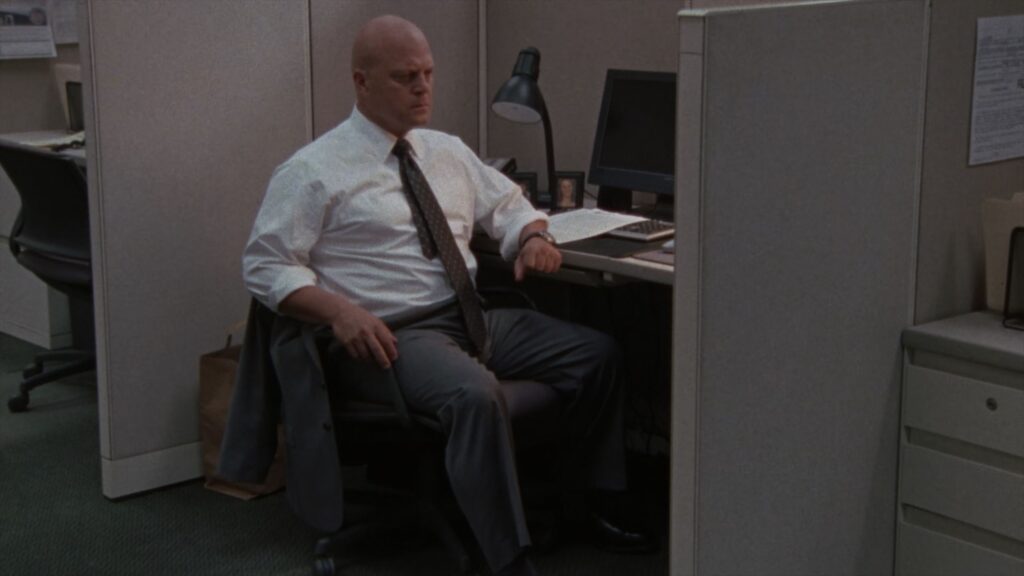
If Breaking Bad was a tragedy, The Shield was a speeding police cruiser headed toward a brick wall.
Vic Mackey survived (technically), but that’s where the cruelty begins.
The show’s finale gave Vic the one thing he couldn’t tolerate: life without power, without his team, without the adrenaline that had defined him.
No dramatic execution. No heroic sacrifice.
A desk. A gun he couldn’t use. A job that felt like prison.
That’s brilliant.
Sometimes the worst punishment isn’t dying … it’s having to live with yourself.
Fan Stop Nation’s Strike Team Karma Index: The finale delivered approximately 8.6 metric tons of consequences to a man who had spent seven seasons ducking them.
“You want justice? Fine. Here’s a desk, fluorescent lighting and mandatory office hours.”
Federal supervisor with excellent timing
Friday Night Lights: Clear Eyes, Full Hearts … Somebody is Definitely Cutting Onions in Here
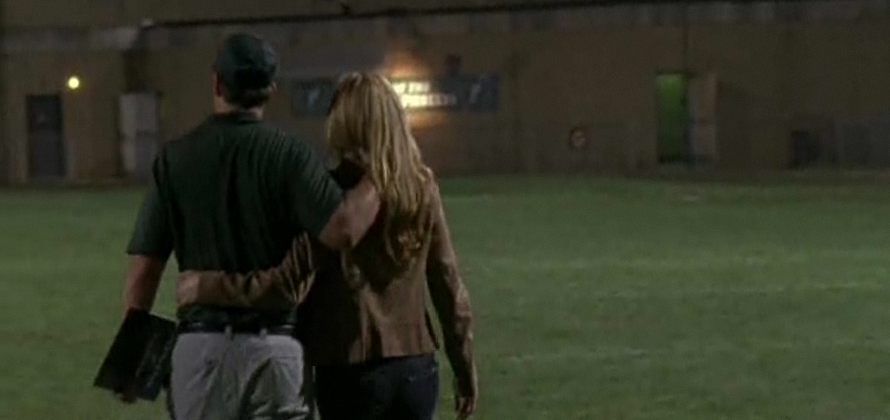
There are television shows about sports. And then there are television shows that use sports to explain basically everything else. Friday Night Lights was never really about football.
Sure, there were touchdowns, state championships, recruiting drama and enough high school football pressure to make the NCAA Compliance Office spontaneously combust. But the real story was always Dillon, Texas: families, friendships, marriage, ambition, failure and the terrifying moment when you realize the thing you’ve spent your entire life chasing might not actually be the thing you need.
The finale didn’t manufacture some ridiculous last-second miracle to keep everyone together. People graduated. Relationships changed. Players moved on. The Taylors moved forward.
Because that’s what happens … high school ends; seasons end; relationships end; careers end … even Tim Riggins eventually has to stop standing around looking like the patron saint of bad decisions and pickup trucks.
Fan Stop Nation’s Dillon Emotional Damage Index: The Friday Night Lights finale caused an estimated 88% of viewers to suddenly miss a high school they either never attended or actively hated while they were there.
:max_bytes(150000):strip_icc()/friday-night-lights-02-dc1a7798070348cdb43d6119ba706624.jpg)
What makes Friday Night Lights one of television’s great endings is its restraint. There is no need to explain every character’s future down to the mortgage payment.
The show understands that the best stories don’t necessarily end when everything is resolved. They end when you understand the characters well enough to imagine what happens next.
- Jason Street built a new life.
- Matt Saracen grew up.
- Landry remained Landry, which frankly deserves its own documentary.
- And Eric and Tami Taylor remained one of television’s best marriages because the show never forgot the most important thing about them: they were a team.
Fan Stop Nation’s Clear Eyes, Full Hearts Finale Rating: 96% of viewers agreed the ending was perfect, while the remaining 4% were presumably busy yelling at a referee somewhere.
“Football gave us the scoreboard. Friday Night Lights gave us the uncomfortable realization that Coach Taylor was better at managing people than every boss we’ve ever had.”
Corporate employee reconsidering his career choices
Band of Brothers: When the Greatest Ending Was Simply Letting the Men Speak

Band of Brothers is technically a miniseries, but when we’re talking about the greatest endings in television history, we’re not going to get hung up on technicalities like some guy at a fantasy football draft arguing about roster eligibility.
It belongs here.
The HBO series followed Easy Company of the 101st Airborne Division from training through some of the most important and brutal moments of World War II. It featured extraordinary performances, unforgettable characters and enough future Hollywood stars to make the cast list look like someone accidentally opened a time machine.
But the ending is what elevates the entire experience.
After surviving combat, losing friends and witnessing the absolute worst of humanity, the surviving members of Easy Company are finally able to return home.
And then comes one of the most powerful moments in television. The series reveals the identities of the real veterans whose interviews had been woven throughout the episodes. Suddenly, the men we’ve watched portrayed by actors become real.
- Their stories weren’t inventions.
- Their friends were real.
- Their sacrifices were real.
- And their memories belonged to actual people sitting in front of us.
Richard Winters recalls what he once told his grandson when asked whether he was a hero of the war: “No. But I served in a company of heroes.“
That’s it. That’s the ending. No explosion. No surprise villain. No sequel tease. Just truth.
What makes Band of Brothers so extraordinary is that its ending reminds us why stories matter in the first place … the men of Easy Company weren’t superheroes. They were young; scared; made mistakes; missed home; lost friends … and they kept going.
The finale doesn’t glorify war as some video-game achievement unlocked by surviving long enough. Instead, it honors the people who endured it.
The ending also delivers one of the central ideas behind every truly great finale: sometimes the story isn’t really ending. Sometimes it’s simply being handed to the next generation.
The veterans remembered. The audience listened. And the responsibility became ours.
That’s why Band of Brothers remains one of the most powerful conclusions ever put on television.
Fan Stop Nation’s Easy Company Goosebump Index: The final veteran reveals produced a 1,000% increase in viewers sitting silently through the credits because nobody was emotionally prepared to immediately watch something else.
“I thought I was watching actors portray history. Then the real men showed up, and suddenly my couch became a national monument.”
Viewer who definitely wasn’t crying, thank you very much
Planet of the Apes: The Statue of Liberty and the Original “Oh, No”
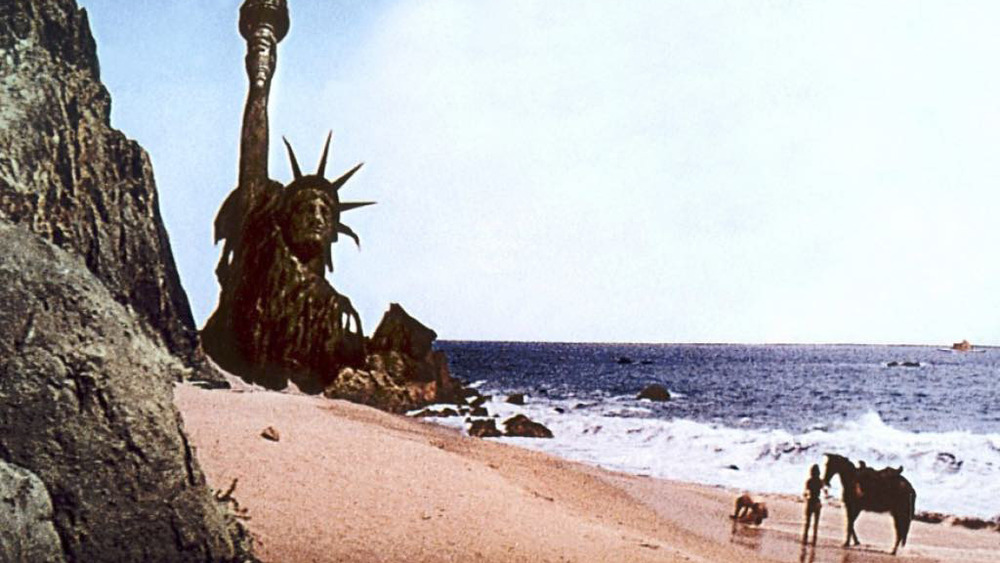
Before modern movies became addicted to post-credit scenes, franchise universes and cinematic universes, Planet of the Apes delivered one of the greatest final images in science fiction.
Charlton Heston discovers the ruins of the Statue of Liberty.
He hadn’t traveled to another planet; he’d been on Earth! The realization was devastating.
It turned the entire movie upside down in one image.
Heston’s reaction remains one of cinema’s great performances in realizing that humanity had, once again, managed to ruin everything.
Fan Stop Nation’s Statue of Liberty Shock Rating: The ending caused an estimated 100% increase in viewers looking at the screen and saying, “OH, COME ON.”
“You can travel across the galaxy, and somehow humanity still finds a way to leave the place worse than it found it.”
Astronaut who clearly read the reviews
Ted Lasso: Believe, Then Prepare to Cry

Nobody expected Ted Lasso to become one of television’s most emotionally significant endings wrapped inside a show that originally looked like it might just be about an aggressively cheerful American football coach accidentally wandering into English soccer.
Then we watched.
And somewhere between biscuits, “Believe” signs, Roy Kent growling at everyone within a 40-yard radius, and Coach Beard doing whatever the hell Coach Beard was doing, Ted Lasso became something much bigger.
The finale didn’t need AFC Richmond to win everything. In fact, that would have been too easy. Ted’s journey was never really about trophies. It was about people becoming better versions of themselves, even when becoming better meant letting go of the people and places they loved.
Because that’s life, unfortunately. You don’t always get a dramatic championship parade followed by everyone living happily ever after. Sometimes the people who changed your life simply move on, and you’re left trying to figure out how to keep the good parts.
What makes the Ted Lasso ending work is that it understands the difference between winning and succeeding. The finale gave viewers closure without wrapping every character in bubble wrap. Life continued. Relationships changed. People moved forward.
Fan Stop Nation’s Believe-to-Tears Ratio: For every inspirational Ted Lasso speech delivered during the series finale, approximately 8.3 viewers suddenly discovered they had “something in their eye.”
“I came here for soccer jokes and somehow ended up evaluating my relationship with my father. This feels like false advertising.”
Emotionally compromised AFC Richmond supporter
St. Elsewhere: The Snow Globe Ending Nobody Saw Coming

Here’s one for the deep-cut television historians.
The finale of St. Elsewhere ended with the revelation (or suggestion) that the entire world of the show existed inside the imagination of an autistic child named Tommy Westphall … inside a snow globe.
That’s already strange. Then television fans began realizing something even stranger.
Because St. Elsewhere had crossed over with other shows, and those shows had crossed over with other shows, the “Tommy Westphall Universe” became an increasingly massive theoretical web connecting enormous portions of television.
Congratulations — a snow globe became the center of television multiverse theory decades before Marvel started charging us $17.50 for popcorn.
Fan Stop Nation’s Tommy Westphall Connectivity Index: Approximately 42,000 television characters are now theoretically one crossover away from living inside a snow globe.
“We thought we were watching a hospital drama. Apparently we were doing graduate-level multiverse research.”
Viewer with a corkboard and too much free time
Why Endings Matter More Than We Think
A bad ending can change the way you remember an entire story. That might be unfair, but it’s true.
We spend years with television characters. We invite them into our living rooms. We watch their relationships collapse, their careers implode and their questionable decisions somehow get renewed for another season.
Movies are shorter, but the same principle applies — an ending is the final handshake; the last note; the thing you carry with you after the screen goes dark.
And the best endings understand something important: closure doesn’t always mean answers.
- Sometimes Tony Soprano’s screen goes black.
- Sometimes Don Draper finds enlightenment and sells Coca-Cola.
- Sometimes Walter White gets exactly what he deserves.
- Sometimes Texas is forever … sometimes it’s Philadelphia.
- Sometimes learning true history from ones who lived it makes it more meaningful.
- Sometimes a snow globe makes television history weird forever.
The Ending Is Where the Argument Begins
The greatest endings aren’t necessarily the ones everyone agrees are perfect. Unanimous agreement is suspicious.
The endings that last are the ones that make us argue. They make us revisit. They make us defend our interpretation at parties where nobody asked. They become cultural landmarks.
- That’s why we’re still debating The Sopranos.
- Why people are still explaining LOST.
- Why Mad Men remains brilliant.
- Why Newhart is still funny.
- Why the ending of M*A*S*H can ruin your entire evening.
A great ending doesn’t always close the door. Sometimes it leaves the door open just enough for the audience to keep staring through it for the next 20 years.
And honestly, that’s probably the best ending of all.