


Every great sports television show eventually arrives at the same moment: the team is losing; players are fighting; someone has made a terrible decision. The assistant coach is sweating through his shirt, and then the head coach walks into the room, closes the door and delivers a speech so powerful that for approximately 90 seconds, even the viewer believes they could run a 4.4 forty.
That’s the magic of the television sports coach. They aren’t always the best strategist. They aren’t always particularly stable. Some of them probably shouldn’t be allowed to supervise a youth lemonade stand, much less a varsity football program.
But the great ones understand the thing that matters more than the playbook: People.
From Dillon to AFC Richmond, from the dojo to Cheers, television has given us coaches who became more than the person holding the clipboard.
They became teachers, mentors, father figures, therapists … and occasionally, walking anger-management seminars.
This is not a ranking — there no #1 — no “greatest of all time.”
This is the Fan Stop Nation Television Sports Coaches Hall of Fame — a collection of coaches who made us care about the people wearing the uniforms, even when the uniform was a karate gi, a hockey jersey or something Hayden Fox found in a clearance bin.
And yes, some of these coaches were significantly better at coaching than others.
That’s part of the fun.
Coach Eric Taylor: Friday Night Lights
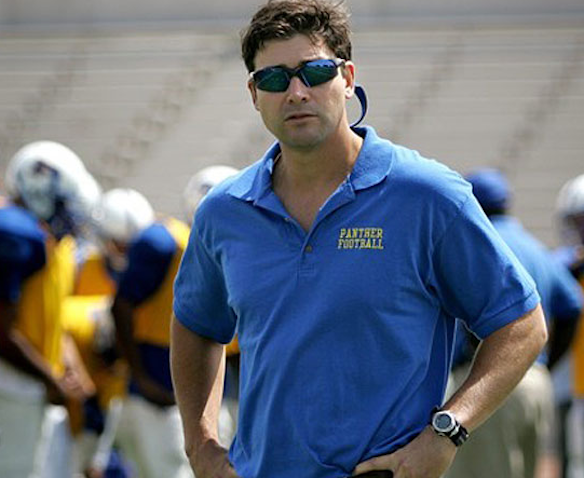
If television ever created the definitive American sports coach, it might have been Eric Taylor.
Kyle Chandler’s Coach Taylor wasn’t perfect … and that was the whole point.
He was stubborn. He was demanding. He could be incredibly difficult. He occasionally treated a high school football game like the fate of Western civilization depended on whether a 17-year-old cornerback understood cover two. But he cared. Deeply.
Friday Night Lights followed Taylor from the Dillon Panthers to the East Dillon Lions, with the football field serving as the setting for stories about family, poverty, race, education, ambition, grief and the terrifying experience of being a teenager in a town where everybody knows your business.
Taylor didn’t just coach football; he coached kids who happened to play football. That distinction is the entire show.
He helped players find college opportunities. He supported Matt Saracen through unimaginable personal pressure. He pushed Smash Williams toward a future beyond Dillon. He encouraged Jason Street to imagine a life after football.
And he somehow managed to communicate all of this while looking like someone had just told him his equipment budget was being cut again.
The greatest Taylor quality wasn’t his ability to win games. It was his ability to make his players believe they were worth something beyond the scoreboard … and then, naturally, he would yell at them about tackling.
Texas Forever … unless it’s Philadelphia.
Fan Stop Nation’s Coach Taylor Glare Ratio: 8.6 seconds of uninterrupted eye contact before the average teenager voluntarily confessed to crimes that hadn’t happened.
“Coach Taylor never says ‘I’m disappointed.’ He just looks at you until you become disappointed in yourself.”
Former Texas high school assistant coach
Ted Lasso: Ted Lasso
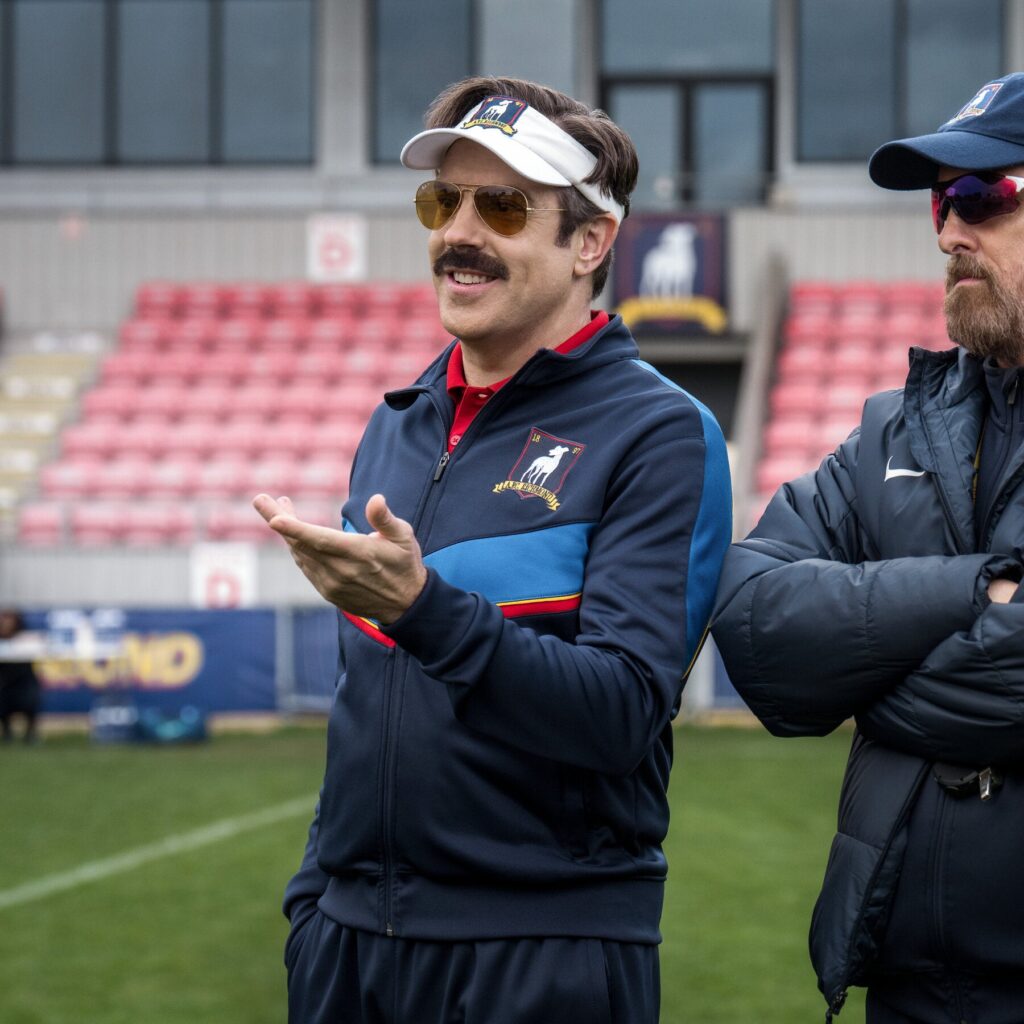
Ted Lasso walked into English football knowing significantly less about soccer than approximately everyone else in the building, and somehow, he became one of television’s most recognizable coaches. That’s because Ted’s greatest tactical innovation wasn’t formations or in-game strategy … it was liking people.
He listened. He remembered. He asked questions. He believed players could become better people, not merely better athletes. And, he brought an almost medically irresponsible level of optimism to every situation.
The character became the center of a series that used AFC Richmond and football as the backdrop for stories about friendship, mental health, insecurity, failure, redemption and the terrifying possibility that kindness might actually work.
The whole thing should have been unbearably cheesy. Instead … it worked!
Ted belongs here because he changed the television definition of a coach. He didn’t need to dominate the room. He didn’t need to intimidate anyone. He didn’t even need to know why everyone kept yelling about offside. He needed his players to believe they belonged.
And sometimes that’s more powerful than a perfect playbook.
Fan Stop Nation’s Ted Lasso Biscuit-to-Leadership Ratio: 14 biscuits for every major emotional breakthrough, with a 23 percent increase whenever Rebecca is having a terrible day.
“Ted doesn’t prepare game plans. He prepares people to emotionally survive game plans.”
AFC Richmond hospitality consultant

Hayden Fox: Coach
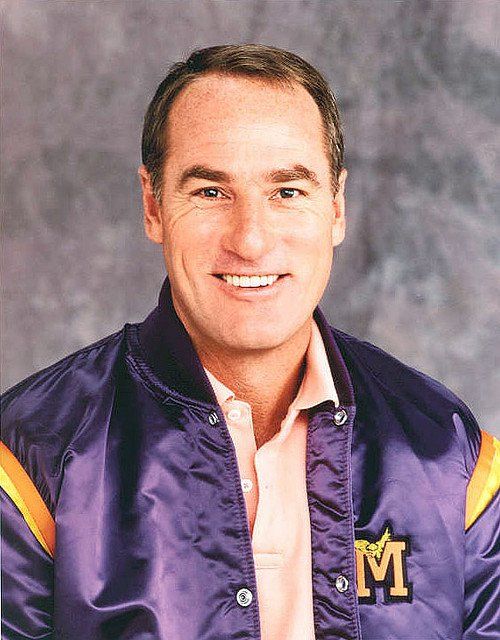
Before prestige sports dramas were making grown adults cry on Sunday nights, Hayden Fox was yelling at college football players on network television.
Craig T. Nelson’s Hayden Fox led Coach for nine seasons and 200 episodes, making him one of the longest-running fictional sports coaches in television history.
Hayden was gloriously old-school. He believed in discipline. He believed in football. He believed in yelling. He believed in making his assistant coaches suffer.
And he believed that virtually every problem in life could be solved by getting back to the fundamentals.
Which, coincidentally, was also the philosophy of approximately every dad who owned a VCR in 1991.
What makes Coach so important is the era. This was Xennial television before streaming, before prestige television became a competitive sport and before every coach had a tablet showing an algorithmic probability of whether to punt on fourth-and-three.
Hayden had a clipboard, a whistle, a playbook, and a blood pressure problem … undoubtedly egged-on by his two comic relief assistant coaches.
Honestly, that’s plenty.
Fan Stop Nation’s Hayden Fox Blood Pressure Index: 91 percent football strategy, 9 percent medication.
“Hayden Fox didn’t have a temper. He had a motivational volume setting.”
Former Minnesota State football equipment manager
Johnny Lawrence: Cobra Kai
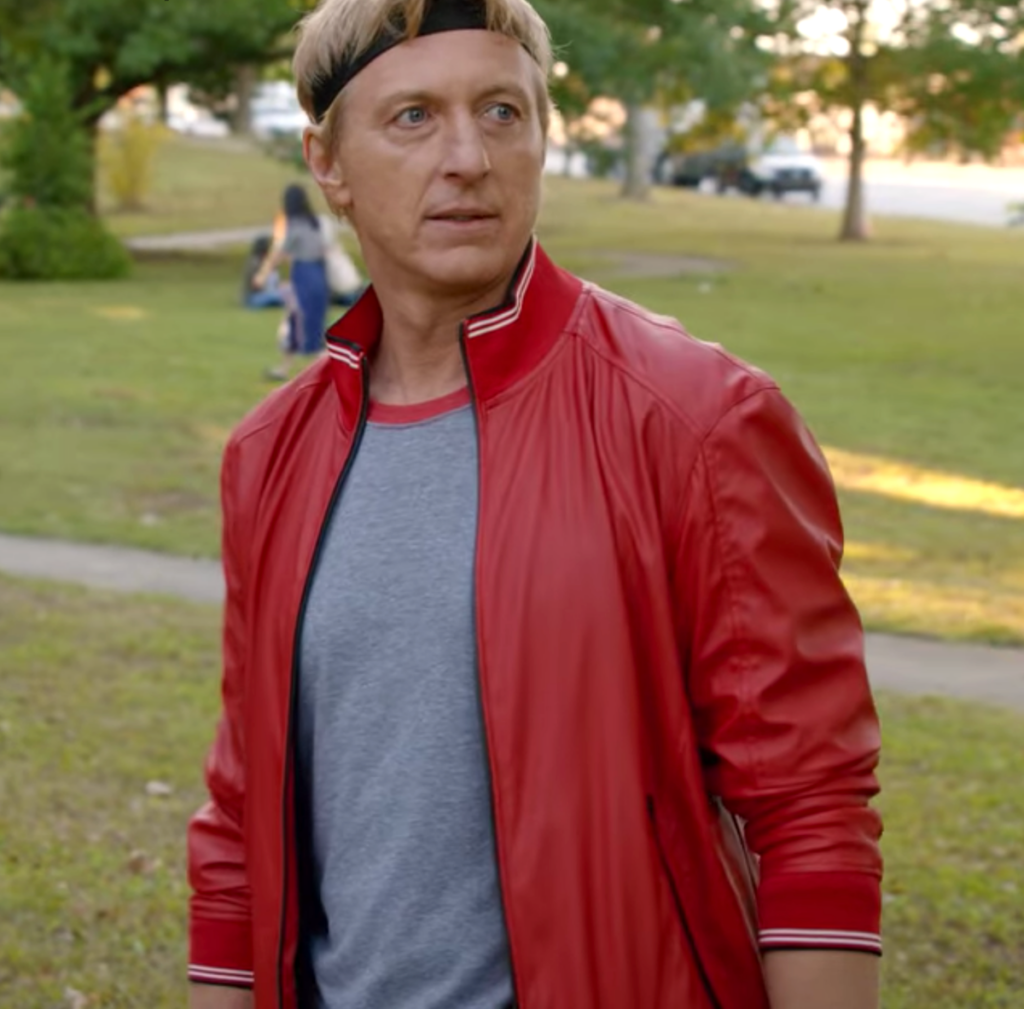
Johnny Lawrence started Cobra Kai carrying approximately 35 years of emotional baggage and the general demeanor of a man who had recently lost an argument with a vending machine … then he became a teacher … and somehow, he became a coach.
Not a conventional coach, obviously. This is Johnny Lawrence we’re talking about.
His methods included:
- Violence-adjacent motivational exercises.
- Questionable life advice.
- Aggressive use of the word “bro.”
- Philosophical arguments involving 1980s rock music.
- Training exercises that would make OSHA request a meeting.
But underneath all of it was something surprisingly sincere. Johnny wanted his students to become stronger. He wanted them to stop being afraid. And eventually, he realized that strength without discipline could turn into something ugly.
The series transformed the original Karate Kid rivalry into a television story about mentorship, redemption, generational differences and whether a guy who peaked in high school can still become a decent adult.
Johnny is here because his greatest coaching accomplishment wasn’t teaching people how to fight. It was learning how to teach without turning every lesson into a fight.
That took him approximately six seasons.
Progress.
Fan Stop Nation’s No Mercy-to-Actually Listening Ratio: 4.2 motivational threats for every legitimate piece of emotional growth.
“Johnny Lawrence’s coaching philosophy is 50 percent karate, 30 percent Cobra Kai merchandise and 20 percent refusing to admit Daniel was right.”
Unidentified Eagle Fang Dojo instructor
Coach Beard: Ted Lasso

Every great head coach needs an assistant. Every great television assistant needs to be just slightly stranger than everyone else.
Coach Beard is the human embodiment of that rule!
Beard is Ted’s tactical brain, longtime friend and professional counterweight. While Ted walks into a room radiating Midwestern optimism, Beard walks into the same room looking like he has just returned from a three-day research expedition into the darkest corners of human knowledge.
Ted sees people. Beard sees patterns.
Ted gives the speech. Beard probably has a spreadsheet explaining why the speech should work.
And if things go badly, Beard looks like he has already considered 14 alternate timelines.
The beauty of Beard is that he doesn’t need to be the star. He’s the epitome of “guy behind the guy.” He’s the tactical weird uncle every coaching staff should have.
Preferably one who knows where the bodies are buried.
Fan Stop Nation’s Coach Beard Silence-to-Information Ratio: Every three minutes Beard doesn’t speak represents approximately 47 minutes of information he has already processed internally.
“Beard doesn’t have a game plan. He has a game plan for the game plan.”
AFC Richmond video analyst
Coach: New Girl
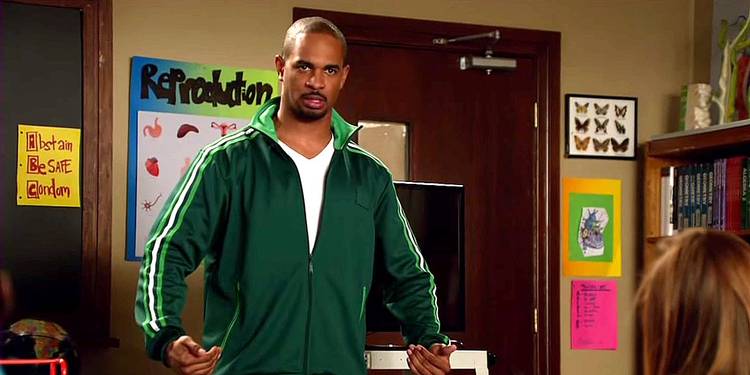
Technically, his name is Ernie Tagliaboo. Nobody calls him that. He’s Coach!
Played by Damon Wayans Jr., Coach is a former athlete who works as a personal trainer and eventually becomes a gym and health-class teacher at Jess’s school. He first appears as one of the original loft roommates before returning to the show later.
Coach is what happens when a human motivational speech develops anger issues.
He is loud. Competitive. Intense. Sometimes wildly inappropriate. And somehow incredibly lovable.
His coaching philosophy seems to be based on three fundamental principles:
- Try harder.
- Stop being ridiculous.
- Why are you crying?
The character works because underneath the absurdity is genuine investment in his friends and students.
He’s the kind of coach who would insult your performance for 10 minutes and then spend another 20 helping you improve it.
And yes, New Girl is not primarily a sports series … that’s exactly why Coach belongs. He reminds us that sports coaches are often funny because they bring sports-coach energy into situations where sports-coach energy absolutely does not belong.
Like roommate meetings. Dating. Laundry. Breakfast. Literally everything.
Fan Stop Nation’s Coach Volume Index: 117 decibels at full motivational capacity, measured approximately 14 inches from the nearest terrified freshman.
“Coach can turn a conversation about hydration into a six-minute halftime speech.”
Former student who now drinks water recreationally
Billy Baker: All American

Billy Baker is the classic modern television football coach who discovers that coaching teenagers is considerably more complicated than drawing plays on a whiteboard.
Played by Taye Diggs, Billy begins All American as Beverly Hills High’s head football coach and becomes deeply involved in the lives of Spencer James and his teammates. His own history as a former NFL player adds another layer to the character: he’s coaching young players while simultaneously wrestling with his own unfinished relationship with the game.
That’s a dangerous combination, because Billy understands football.
He understands pressure. He understands recruiting. He understands what it feels like to be a talented athlete whose entire identity has become attached to the sport.
Which means he also understands exactly how dangerous that can be.
Billy’s coaching is constantly tangled up with fatherhood, family and his own mistakes. Sometimes he’s the coach. Sometimes he’s the dad.
Sometimes he’s the guy standing in the middle of a kitchen wondering how a conversation about football somehow turned into a family therapy session.
That’s what makes him memorable. The football matters, but the people matter more.
Fan Stop Nation’s Coach Baker Family Intervention Index: 4.7 football discussions interrupted by personal revelations per episode.
“Coach Baker can turn third-and-long into a conversation about childhood trauma.”
Former Beverly High assistant coach
Rick Mellor: The Goldbergs
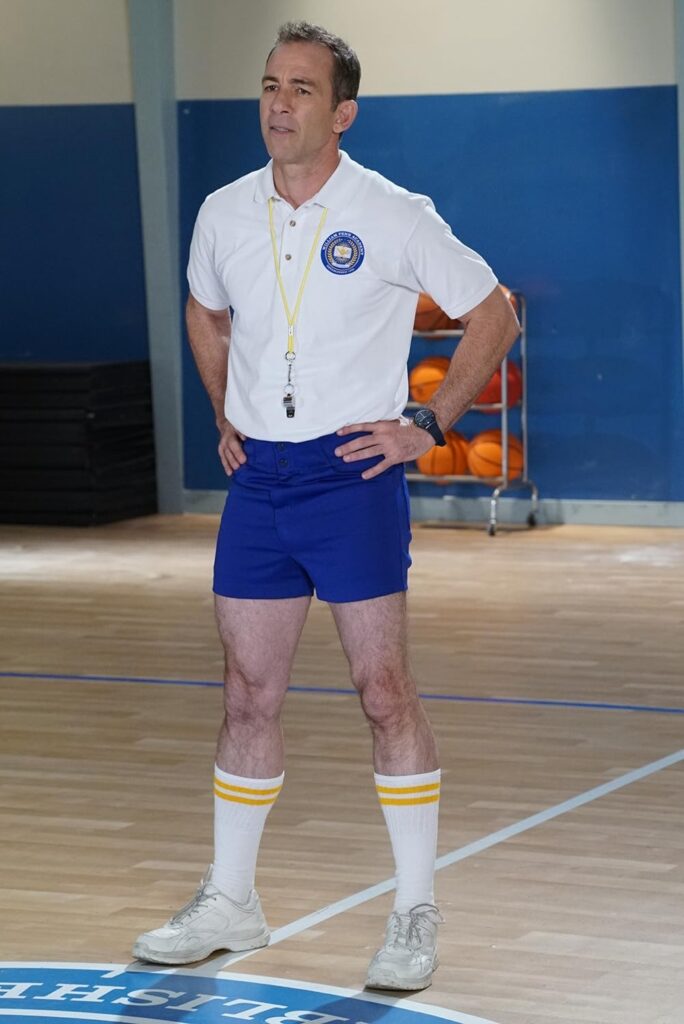
Rick Mellor is not the kind of coach who appears to have attended several years of advanced coaching seminars. He is the kind of coach who appears to have been raised entirely inside a gymnasium.
Played by Bryan Callen, Mellor is the physical education teacher and coach at William Penn Academy in The Goldbergs, bringing an aggressively old-school approach to physical education, discipline and masculinity.
His coaching philosophy is essentially: Pain builds character.
This was the 1980s. Apparently everybody was required to believe this.
Mellor is loud, intense and deeply committed to the idea that teenagers should occasionally be forced to run until they regret their dietary choices.
But beneath all the shouting is the same thing that defines the best television coaches. He cares.
He wants the kids to improve. He wants them to toughen up. And occasionally, he wants them to stop whining for approximately five consecutive seconds.
For anyone who grew up in the Xennial orbit, Mellor feels less like a television character and more like a composite of every gym teacher who ever told you that dodgeball builds character.
Fan Stop Nation’s Rick Mellor Whistle-to-Student Ratio: 1 whistle for every 2.3 unnecessary hallway encounters.
“Coach Mellor doesn’t believe in participation trophies. He believes in participation injuries.”
Former William Penn student
Ernie “Coach” Pantusso: Cheers
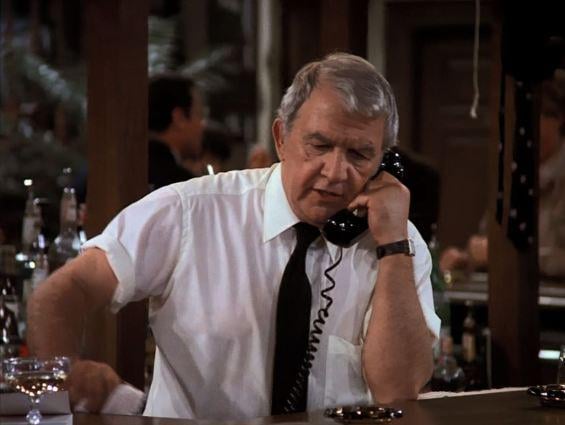
Before he became the nickname, Coach was the nickname. Ernie Pantusso was a former baseball player who became the beloved bartender at Cheers, and while he wasn’t running a football program or drawing up basketball plays, he represented another essential category of television coach: The guy who coached everybody at life.
Coach was wise without realizing he was wise. He was funny without trying to be funny. He could tell a story that wandered through three unrelated topics before somehow landing exactly where it needed to.
Ted Lasso fans should recognize the DNA. Coach Pantusso believed in people. He listened. He gave advice … and he occasionally misunderstood the situation so completely that his advice became even more memorable.
Most importantly, he was part of the emotional foundation of Cheers.
There is something wonderfully old-school about Coach. He wasn’t trying to build champions. He was trying to help people get through Tuesday.
And frankly, that’s coaching too.
Fan Stop Nation’s Coach Pantusso Story Detour Ratio: 6.3 unrelated anecdotes per piece of usable advice.
“Coach could answer a question about baseball with a story about a bus he took in 1967 and somehow still make you feel better.”
Former Boston bar regular
The Television Coach Hall of Fame Has One Big Rule
There is only one rule here: The coach has to matter beyond the sport.
That’s why this list isn’t just about wins. Because television has given us coaches who were technically terrible coaches but fantastic characters. And coaches who were fictional versions of the mentors we all wish we’d had.
The common thread is obvious:
- Eric Taylor taught accountability.
- Ted Lasso taught belief.
- Coach Beard taught preparation.
- Hayden Fox taught competitive insanity.
- Johnny Lawrence taught redemption.
- Coach from New Girl taught volume control through the scientific method of yelling.
- Rick Mellor taught that gym class could apparently be a military exercise.
- Coach Pantusso taught that sometimes people just need somebody to listen.
And that’s why television coaches stick with us. We don’t remember every play. We remember the speeches. The arguments, the locker rooms, and the bus rides.
The moments when coach looked at a kid who was struggling and somehow found the right thing to say … or, in Hayden Fox’s case, screamed it loudly enough that three counties heard him.
The Final Whistle
The greatest television sports coaches aren’t necessarily the ones with the best records.
They’re the ones who made us care; believe in fictional towns, schools, teams and locker rooms.
They made us invest emotionally in teenagers who were never going to graduate, teams that would never actually play another season and championships that existed only because somebody in a writers’ room needed a third-act victory.
And yet we cared.
That’s television’s greatest sports trick.
It takes a game we’ve watched a thousand times and convinces us that this particular game matters. That this particular player matters. That this particular coach has something to teach us.
Maybe that’s why we still remember them.
Because somewhere between the halftime speeches, the screaming, the losses, the victories and the ridiculous motivational clichés, these coaches taught us something that had nothing to do with sports.
Show up. Believe in people. Take responsibility. Get back up. And if all else fails, yell louder.
Just don’t let Coach Mellor hear that last part.
He’s already got us running laps.