Before streaming gave us 47 sports documentaries about one guy’s childhood trauma, television was perfectly happy to give us a football coach, a washed-up baseball player, or a completely unhinged sports agent and let them ruin their lives for 22 episodes.
Sports television has a sneaky little trick: it puts a ball in someone’s hand. Maybe a football. Maybe a hockey puck. Maybe a baseball. And then it spends the next hour talking about divorce, friendship, addiction, masculinity, ambition, failure, family, insecurity, sex, death, redemption and why one guy in the locker room is absolutely terrible at communicating.
We fall for it every time.
Because sports are rarely the actual story … they’re the vehicle.
Friday Night Lights wasn’t really about football. Ted Lasso wasn’t really about soccer. Cobra Kai isn’t really about karate. And Shoresy isn’t really about hockey … unless you consider hockey a convenient excuse for several grown men to discuss trauma, loyalty and the relative merits of chirping somebody until they question their life choices.
That’s why some of the greatest sports shows on television aren’t really sports shows at all — they’re workplace comedies; family dramas; character studies; friendship stories; coming-of-age stories; and, occasionally, deeply inappropriate television that somehow got renewed.
This is not a ranking. There is no #1. This is the Fan Stop Nation Hall of Fame for Sports Shows That Used Sports as a Disguise. Because sometimes the best sports television has surprisingly little to do with the actual game.
Friday Night Lights: Football Was Just the Cover Story
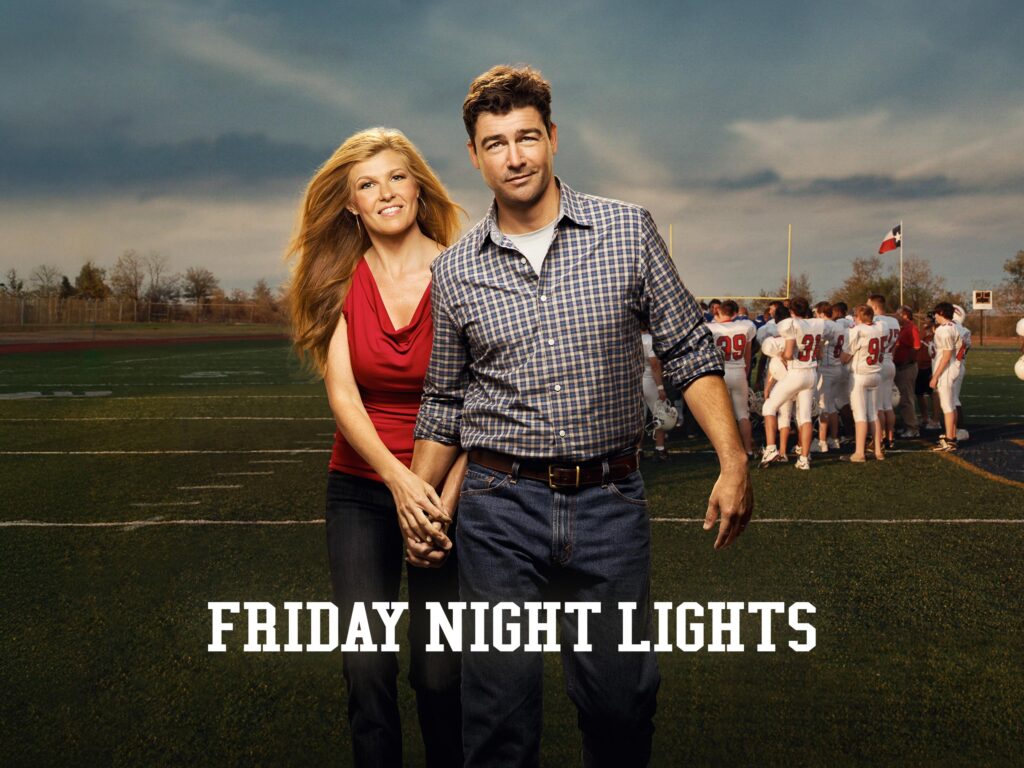
If you watched Friday Night Lights expecting a football show, you eventually discovered something important: football was basically bait.
The real show was about Dillon, Texas. It was about Eric and Tami Taylor. It was about teenagers trying to figure out who they were.
It was about family, race, class, education, poverty, religion, marriage, ambition, felonies, and the terrifying realization that everybody in a small town knows your business. Football simply gave all of those stories somewhere to happen.
A game could be about winning, but it could also be about:
- Whether Matt Saracen was going to hold his family together.
- Whether Smash Williams could escape Dillon.
- Whether Jason Street could imagine a life beyond football.
- Whether Tim Riggins could stop being Tim Riggins for approximately 11 consecutive minutes.
The genius was that the show understood football’s role in American culture. In Dillon, football wasn’t just a game. It was identity.
That’s why the show worked even for people who couldn’t tell a safety from a tight end.
Fan Stop Nation’s Clear Eyes to Full Hearts Ratio: 97.4% — the percentage of viewers who briefly believed they could become high school football stars despite possessing neither the athletic ability nor the high school graduation requirements.
“Friday Night Lights made me care deeply about a fictional Texas football team even though I couldn’t identify a Texas high school without Google.”
East Dillon Football Alumnus
Coach: Football, Family and the Art of Being Extremely Loud
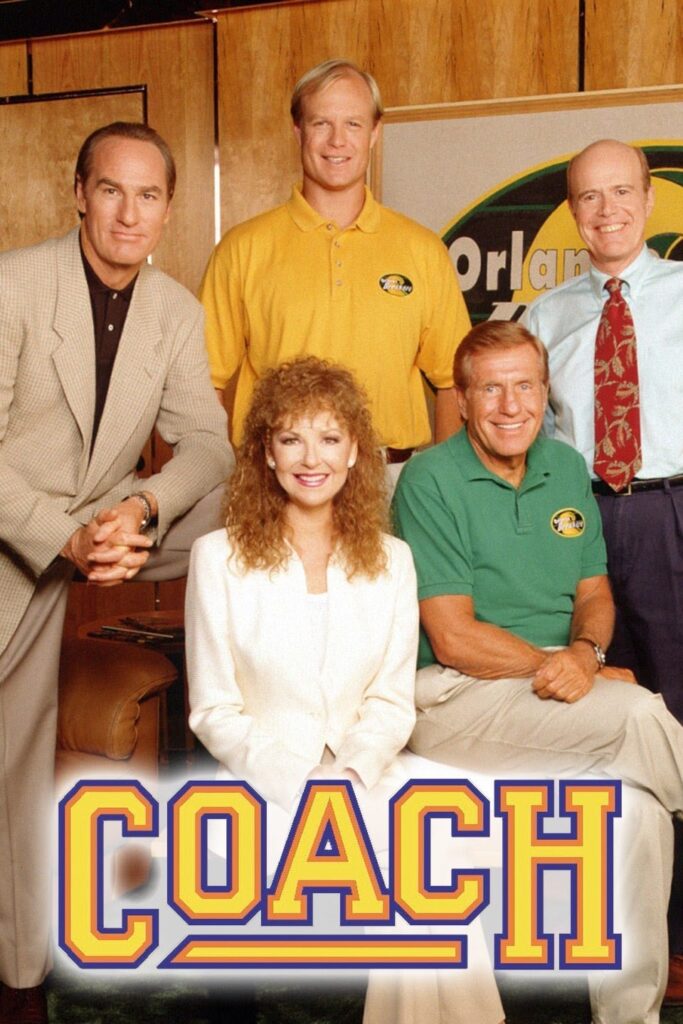
Coach was technically about Hayden Fox coaching college football. Technically.
In practice, it was about marriage, friendship, work, ego, parenting, aging and the unique emotional condition of a man who has spent 30 years believing every problem can be fixed with a better game plan.
Craig T. Nelson’s Hayden Fox was a coach in the same way a Ford F-150 is technically transportation.
There was significantly more happening. The show ran for nine seasons and 200 episodes, making Hayden one of television’s longest-running sports characters. But, you didn’t watch Coach because you desperately needed to understand the intricacies of the veer offense. You watched because Hayden was a guy.
- A loud guy.
- A stubborn guy.
- A guy who loved his job and his family and occasionally seemed surprised that the two were not legally the same thing.
That’s why the show remains important. It understood that a coach is still a person after the game ends.
Fan Stop Nation’s Hayden Fox Blood Pressure Index: 112% whenever someone suggested he might be wrong.
“Hayden Fox could turn a discussion about dinner reservations into a halftime adjustment.”
University dining services director

Cobra Kai: Karate Is Just the Leg Sweep

Cobra Kai may contain more karate than all shows in television history combined … but it’s still barely about karate.
The real story is Johnny Lawrence and Daniel LaRusso. It’s two middle-aged men who somehow managed to carry a high school rivalry into adulthood and then involve an entire new generation in it.
It’s about fatherhood, mentorship, redemption, bullying, trauma, friendship, and the spectacularly poor decision-making skills of adults who should absolutely know better.
Karate just gives everyone something to punch.
That’s the brilliance of the series. It takes a simple sports-movie rivalry and asks: what happens if nobody ever gets over it?
Apparently, you open competing dojos.
Fan Stop Nation’s Miyagi-Do-to-Cobra-Kai Conversion Rate: 3.7 philosophical breakthroughs for every 10 actual kicks to the face.
“Cobra Kai is technically about karate, but most of the fights could have been resolved with two adults agreeing to attend therapy.”
Valley family counselor
Shoresy: Hockey Is the Least Interesting Thing Happening

Shoresy is technically a hockey show. There are hockey games, hockey players, hockey sticks, and hockey ice. But somehow, the actual hockey is often the least interesting thing happening.
The series follows Shoresy and the Sudbury Bulldogs, but the real story is loyalty, friendship, aging, masculinity, loneliness, community and the strange emotional intimacy that develops when a group of men spend enough time together to insult each other professionally.
And nobody chirps quite like these guys.
The show understands something very Canadian: you can tell somebody you love them without ever actually saying it. Sometimes you just call them an idiot and show up when they need you.
Fan Stop Nation’s Chirp-to-Hockey Ratio: 11.8 insults for every meaningful discussion of defensive positioning.
“Shoresy taught me that the fastest route to male emotional intimacy is apparently calling your best friend an obscene name for six straight minutes.”
Northern Ontario relationship counselor
Arli$$: Sports Was Just the Office

Arli$$ was one of HBO’s early sports-business comedies, following sports agent Arliss Michaels and the people surrounding his agency … and that distinction matters.
This wasn’t really about athletes. It was about the business around athletes. Money, contracts, endorsements, egos, public relations, sponsors, managers, laywers, and the extraordinary lengths people will go to when millions of dollars are involved.
Arliss could sell a toaster to someone who already owned a toaster … he could probably sell it again.
Arli$$ was ahead of its time because it recognized that modern sports aren’t just games. They’re enormous entertainment businesses, and sometimes, the people negotiating the deal are more interesting than the people playing the game.
Fan Stop Nation’s Commission-Check Motivation Index: 94% of ethical dilemmas solved by asking how much money was involved.
“Arliss Michaels didn’t see a conflict of interest. He saw an additional revenue stream.”
Beverly Hills sports attorney
Ted Lasso: Soccer Was the Trojan Horse
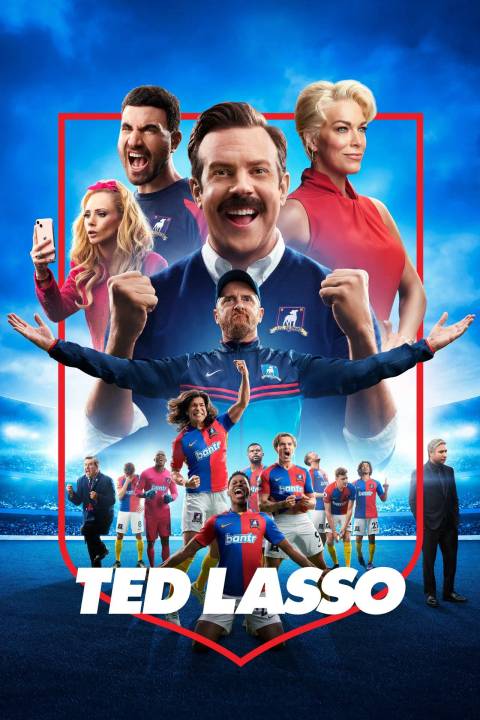
Ted Lasso is probably the clearest example of this entire concept. Take a guy whose only success was with a fictional DII Wichita State football program [actually defunct in 1986], and knows relatively little about English football. Drop him in as the gaffer for AFC Richmond, then make the show about:
- Mental health.
- Friendship.
- Leadership.
- Divorce.
- Fatherhood.
- Anxiety.
- Forgiveness.
- Self-worth.
- Redemption.
And somehow make it hilarious, sad, contemplative and heart-felt.
The soccer is important. But it’s the vehicle. Ted doesn’t need his players to become better soccer players before he helps them become better people.
Sometimes he does the opposite.
That’s why the show connected with people who had never watched a Premier League match. You didn’t need to understand soccer. You just needed to understand people.
Fan Stop Nation’s Biscuits-to-Emotional-Growth Ratio: 14 biscuits consumed for every major psychological breakthrough.
“Ted Lasso could turn a discussion about corner kicks into a group therapy session before anyone realized what happened.”
AFC Richmond hospitality consultant
The League: Fantasy Football Was Merely the Excuse
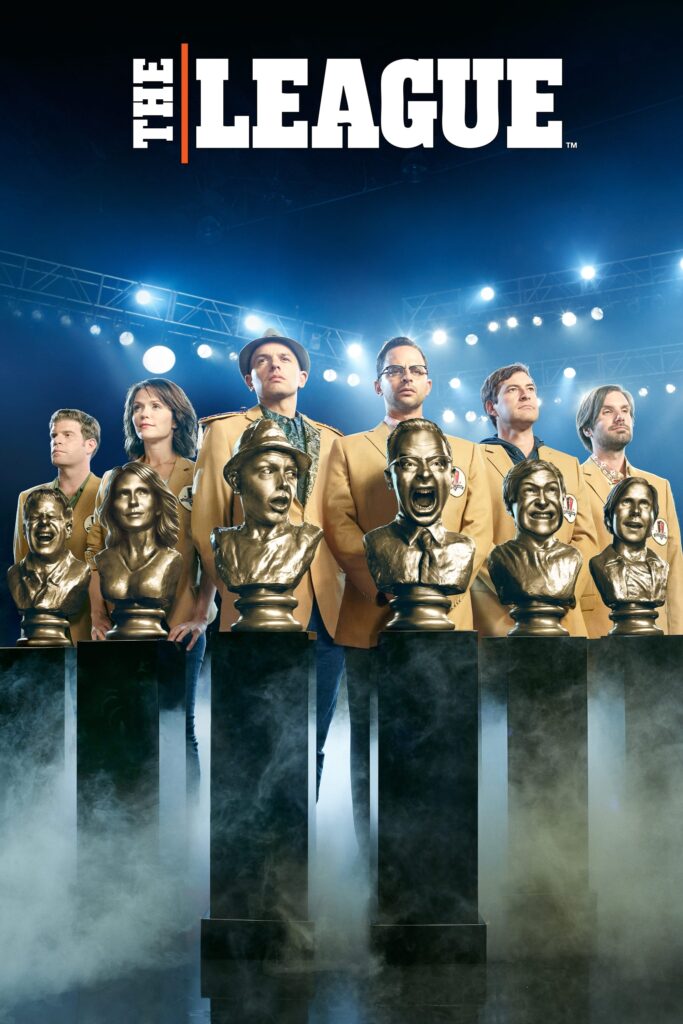
Nobody watched The League because they wanted to improve their fantasy football strategy. If you did … well, sorry.
You watched because six adults were apparently willing to destroy lifelong friendships over a fictional football league that awarded them a trophy nobody outside their group cared about.
The actual fantasy football was basically the operating system. The real show was about friendship, marriage, competition, money, ego, status, and the horrifying lengths people will go to avoid admitting they made a bad draft pick.
The brilliance was that everyone knew these people. Maybe not literally. But everyone has known a guy who takes fantasy football way too seriously.
Probably several.
Fan Stop Nation’s Friendship-Destroying Draft Index: 1.7 lifelong friendships sacrificed per fantasy championship.
“The League taught me that fantasy football is a great way to learn which of your friends should never be trusted with money.”
Fantasy league commissioner
Eastbound & Down: Baseball Was Just the Costume
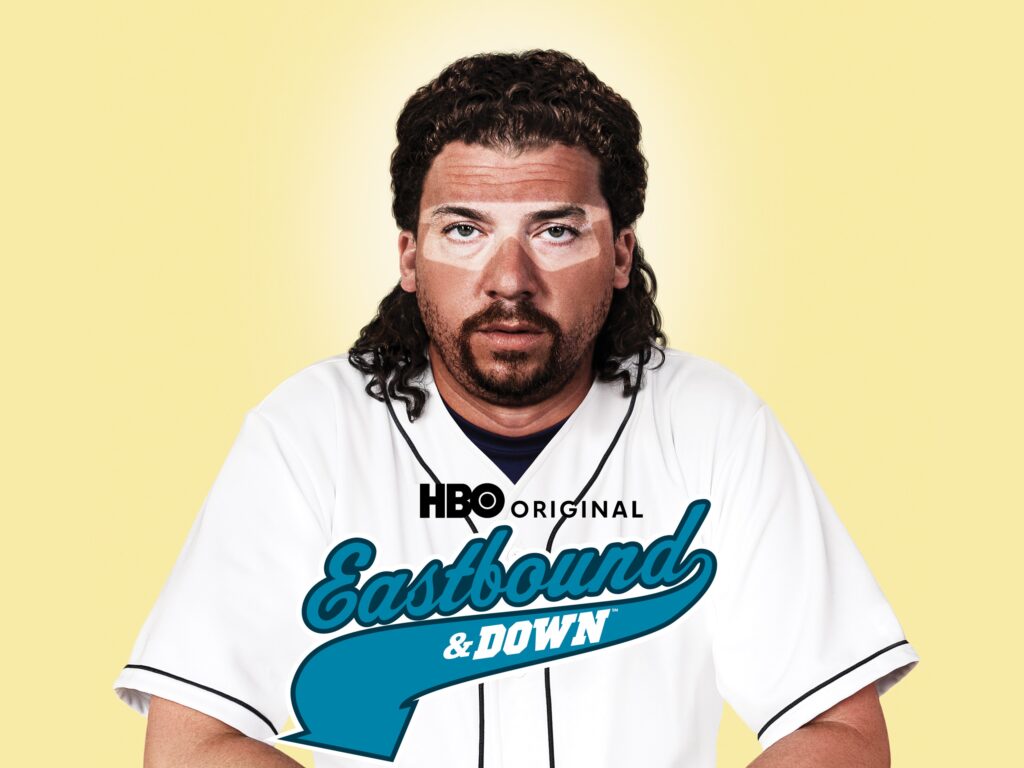
Kenny Powers was technically a baseball player. He was also a monument to insecurity, ego, narcissism, self-sabotage and the psychological consequences of believing you peaked five years ago.
Danny McBride’s Powers is one of television’s great antiheroes because he is spectacularly incapable of understanding his own limitations. Baseball is simply the perfect backdrop.
Kenny isn’t really trying to win games. He’s trying to prove that he’s still Kenny Powers. And that’s considerably harder.
The baseball matters because it represents something bigger: the past. Kenny is desperately trying to return to a version of himself that never really existed.
That’s a much better story than a guy throwing a baseball.
Fan Stop Nation’s Denial Deficit Index: 100%, with Kenny Powers somehow believing the problem is everyone else’s.
“Kenny Powers could walk into an empty stadium and somehow blame the crowd for not appreciating him.”
Minor league clubhouse attendant
Ballers: Football Was Just the Business Card

Ballers looked like a football show. Rock-hard athletes, Miami, luxury cars, nightclubs, contracts, agents, endorsements, Dwayne Johnson, and an irresponsible number of expensive watches. But the football was mostly an excuse to explore money and status.
Spencer Strasmore is a former player turned financial manager trying to navigate the world he used to inhabit. The show is about power, money, identity, ambition, friendship, and the peculiar psychological condition of being wealthy while worrying that you might not become wealthy enough.
It was basically Entourage with football players. Which was either a compliment or a warning. Possibly both.
Fan Stop Nation’s Luxury Vehicle-to-Actual-Play Ratio: 14.6 cars for every meaningful discussion of third-down efficiency.
“Ballers taught me that the hardest part of professional football is apparently deciding which Lamborghini matches your watch.”
Miami financial planner
Blue Mountain State: College Football Was Just the Setting
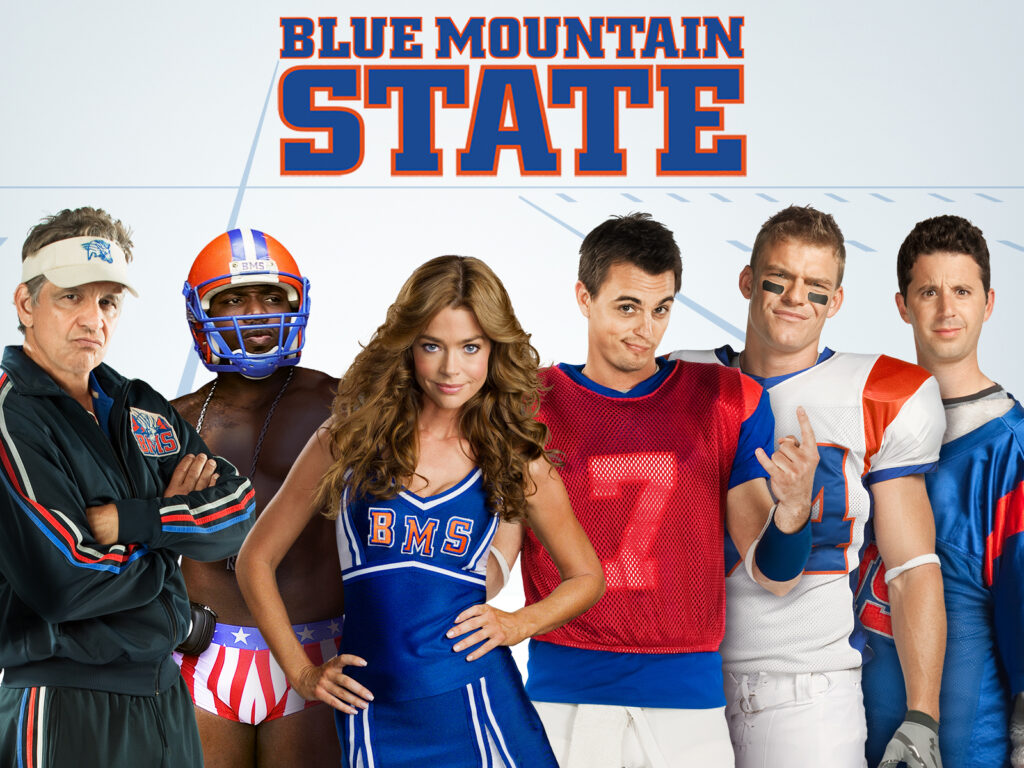
Blue Mountain State wasn’t in the DVR lineup for its realistic depiction of college athletics. The show was about college football the way a frat house is about higher education.
Technically connected. Spiritually questionable.
The Mountaineers were there. So were the football games. But the actual show was about friendship, partying, bad decisions, rivalry and the general experience of being 20 years old and convinced you’re invincible. And that’s precisely why it became a cult favorite.
It didn’t pretend college athletes were saints. It leaned into the chaos.
Fan Stop Nation’s NCAA Compliance Probability: approximately 4%.
“Blue Mountain State is what happens when the NCAA compliance office stops returning your calls.”
Campus athletic administrator
Sports Night: The Sports Were Almost Background Noise
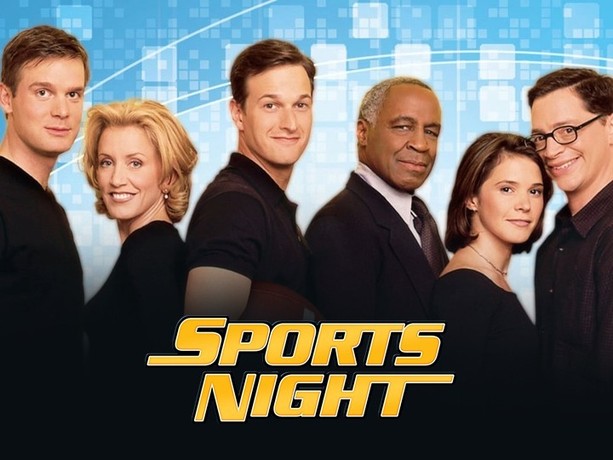
Aaron Sorkin’s Sports Night was technically about a nightly sports-news television program. Which means, yes, there was sports, but the show was really about journalism, deadlines, relationships, ethics, office politics, friendships, ratings, and the spectacularly unhealthy lifestyle of people who think staying at work until 2 a.m. counts as having a personality.
Dan and Casey were the emotional center, while the newsroom became a pressure cooker for everyone around them.
The show also captured something that sports fans understand instinctively: the people talking about sports can become just as emotionally invested as the people playing them.
Fan Stop Nation’s Deadline Panic Index: 14 newsroom arguments per commercial break.
“Sports Night taught me that the hardest sport isn’t football. It’s getting a television producer to approve your story before the network calls.”
Former newsroom intern
Chad Powers: Football Was Just the Disguise … Literally
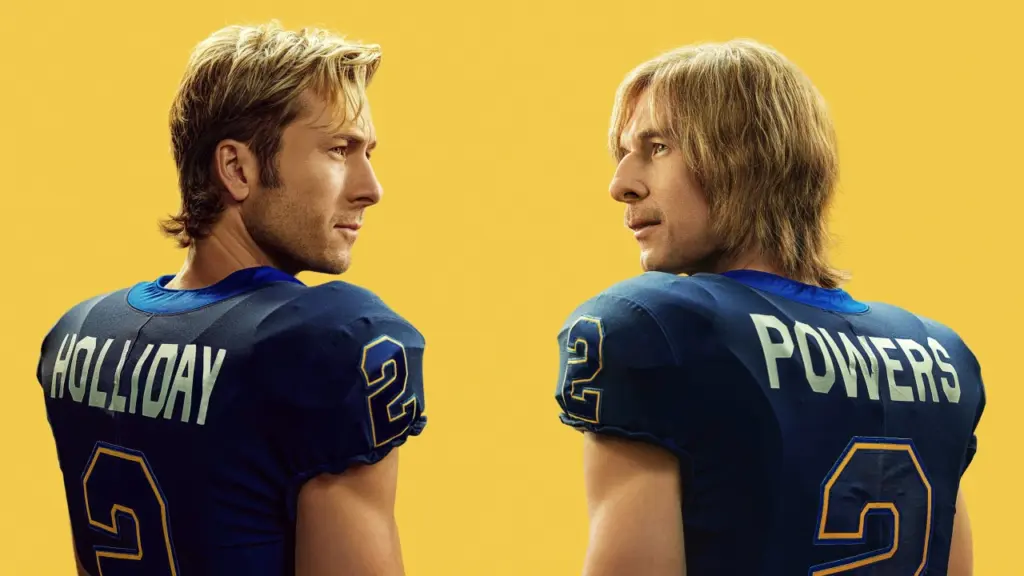
Chad Powers takes the sports-show-not-about-sports concept and turns it into a disguise. The premise is ridiculous:
Russ Holliday is a disgraced former college quarterback who disguises himself as Chad Powers in an attempt to get another shot at football. Naturally, the show becomes about identity, second chances, ego and whether a guy can become a better person while pretending to be somebody else. Which is essentially therapy with shoulder pads.
The football gives Russ a reason to reinvent himself … the character gives the show its reason to exist.
The show works because the disguise is funny, but the underlying question isn’t: can Chad Powers play football?
It’s: can Russ Holliday become somebody worth rooting for?
That’s a much better television question.
Fan Stop Nation’s Identity-Reinvention Efficiency Index: 1 fake identity for every 14 catastrophically poor decisions.
“The first rule of a second chance is apparently never use your real name.”
Small-college football recruiting consultant
The Sports Are the Bait
Look at this collection of shows and the pattern becomes impossible to miss. The sports are different. The stories aren’t.
Football becomes a story about family.
Soccer becomes a story about belief.
Karate becomes a story about trauma and redemption.
Hockey becomes a story about friendship.
Baseball becomes a story about ego and failure.
Fantasy football becomes a story about psychological warfare.
College football becomes an excuse to make terrible decisions.
The scoreboard is merely the prop, making sports one of television’s greatest storytelling devices because the rules are already built in.
There is a winner and a loser. There is a clock, pressure, a team and a goal, and that gives writers an incredibly useful framework for exploring everything else.
Sports make excellent metaphors because the stakes are already understandable. Even if the audience doesn’t know the rules, they understand winning and losing.
That’s universal.
The Final Whistle
The greatest sports shows aren’t necessarily the ones with the best games. They’re the ones that make the games matter.
- Could Friday Night Lights make a non-football fan care about Dillon?
- Could Ted Lasso make someone who couldn’t identify a Premier League table care about AFC Richmond?
- Could Cobra Kai make somebody who had never considered karate become emotionally invested in the Miyagi-Do/Cobra Kai rivalry?
- Could Shoresy make hockey feel like a workplace comedy?
- Could The League make fantasy football feel like a legitimate international crisis?
That’s the magic. Sports are rarely the point. They’re the vehicle for a story. The dressing for the gravy.
The scoreboard gives us stakes. The locker room gives us relationships. The game gives us pressure, and the coach, player, agent, broadcaster or washed-up former athlete gives us somebody to care about.
That’s the secret — you don’t have to love sports to love a great sports show. You just have to love people making terrible decisions under pressure.
Which, when you think about it, is basically every television show ever made. The ball was just there to make it interesting.
Honorable Mentions
- Running Point — Basketball is the setting, but the real game is Kate Hudson trying to run a professional sports franchise while managing family dysfunction, ego and approximately 900 daily crises.
- Brockmire — Baseball provides the backdrop for one of television’s greatest stories about addiction, ego, redemption and a man who absolutely should not be given access to a microphone.
- GLOW — Wrestling is the hook, but the real story is friendship, ambition, sexism, identity and a group of women discovering they might actually be better at this than anyone expected.
- Welcome to Wrexham — Technically about soccer, but mostly about community, ownership, hope and two Hollywood actors discovering that buying a football club is apparently more complicated than buying a used minivan.