There was a time when telling someone you were a professional soccer fan in America required the same amount of explanation as telling them you collected VHS tapes of The Big Green and Ladybugs.
“Yes, soccer.” “No, not football.” “Yes, the one with the feet.”
And yet here we are.
In 2026, the United States just hosted a World Cup, MLS is a legitimate major professional league, the NWSL is attracting serious investment, indoor soccer still has its wonderfully chaotic corner of the sports world, and Americans are increasingly willing to spend an entire Saturday watching a 1-0 match and insisting it was “actually a tactical masterpiece.”
None of this happened overnight.
American professional soccer is built on the bones of teams that succeeded, failed, disappeared, came back, changed names, moved cities, played indoors, played outdoors, and occasionally operated with business plans that appear to have been written on a cocktail napkin.
So let’s take a trip through the history of the American version of the game … not as a ranking, but as a family tree.
Because before today’s biggest clubs could sell out stadiums, somebody had to convince Americans that soccer was worth watching in the first place.
New York Cosmos: The Team That Made Soccer Cool
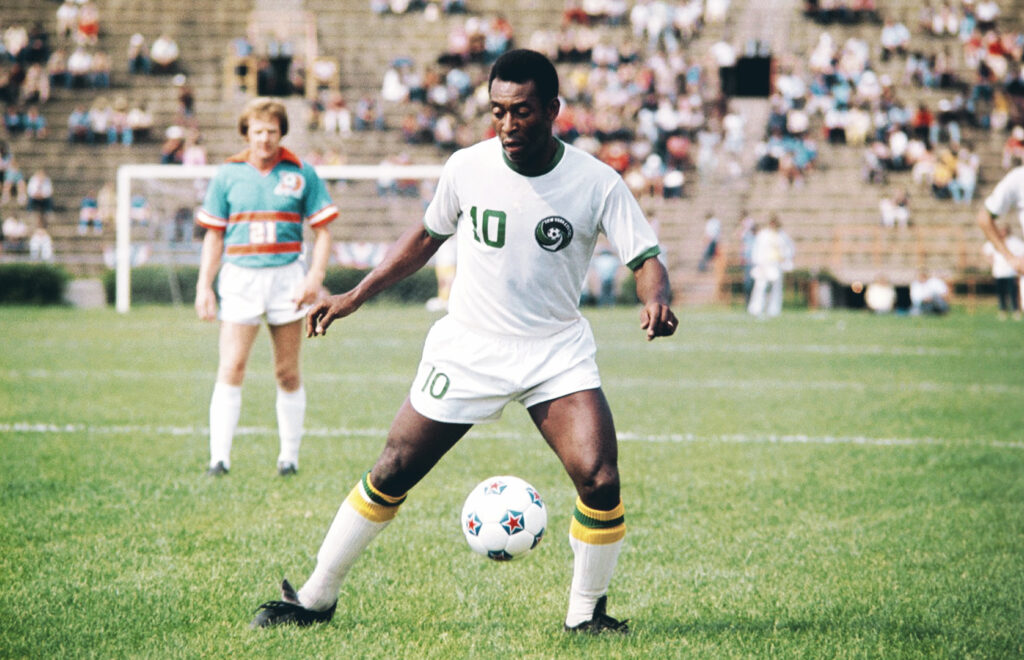
If American soccer has a rock-and-roll origin story, the New York Cosmos are the band that showed up in a limousine.
The original North American Soccer League Cosmos became the biggest soccer attraction in America during the 1970s, and then they went completely insane by signing Pelé. Yes, that Pelé. The three-time World Cup champion Brazilian legend who had already become one of the most recognizable athletes on Earth.
His arrival in 1975 transformed the Cosmos into a cultural phenomenon and helped push the NASL into an unprecedented period of popularity. U.S. Soccer itself compares the effect of Pelé’s arrival to the Messi-driven surge of interest in MLS decades later.
The Cosmos weren’t simply selling soccer; they were selling an event.
Giants Stadium. Huge crowds. International stars. Celebrities. Pelé. Basically, the 1970s version of MLS decided to skip the appetizer and order the entire buffet.
Fan Stop Nation Big Apple Soccer Stat: At its peak, the Cosmos had enough celebrity power to make a New York nightclub jealous, and at least 73% of American children briefly believed every soccer player was supposed to have a Brazilian accent.
“The Cosmos didn’t introduce America to soccer. They introduced America to the idea that soccer could be ridiculously cool.”
Totally Imaginary NASL historian
Tampa Bay Rowdies: The Original Party-Soccer Franchise

The Rowdies arrived during the NASL’s golden era and immediately understood something American sports executives still occasionally forget: people like having fun.
The “Rowdies” became one of the NASL’s signature clubs, winning the 1975 Soccer Bowl and developing a passionate following in Tampa Bay. The team became one of the league’s most recognizable franchises during the 1970s boom … and then the NASL collapsed … because American soccer history apparently requires at least one devastating plot twist every 15 minutes.
The Rowdies survived in various forms and eventually became part of the modern USL Championship landscape, making Tampa one of the rare American soccer markets with a direct line from the NASL era to today’s professional game.
Fan Stop Nation’s Ybor City Gazette: The original Rowdies allegedly caused 412,000 instances of American men wearing soccer jerseys to places where nobody had asked them to.
“We didn’t invent the soccer party. We just made sure nobody knew where the party ended.”
Fictional Rowdies bartender

Seattle Sounders: The Soccer Club That Refused to Stay Dead
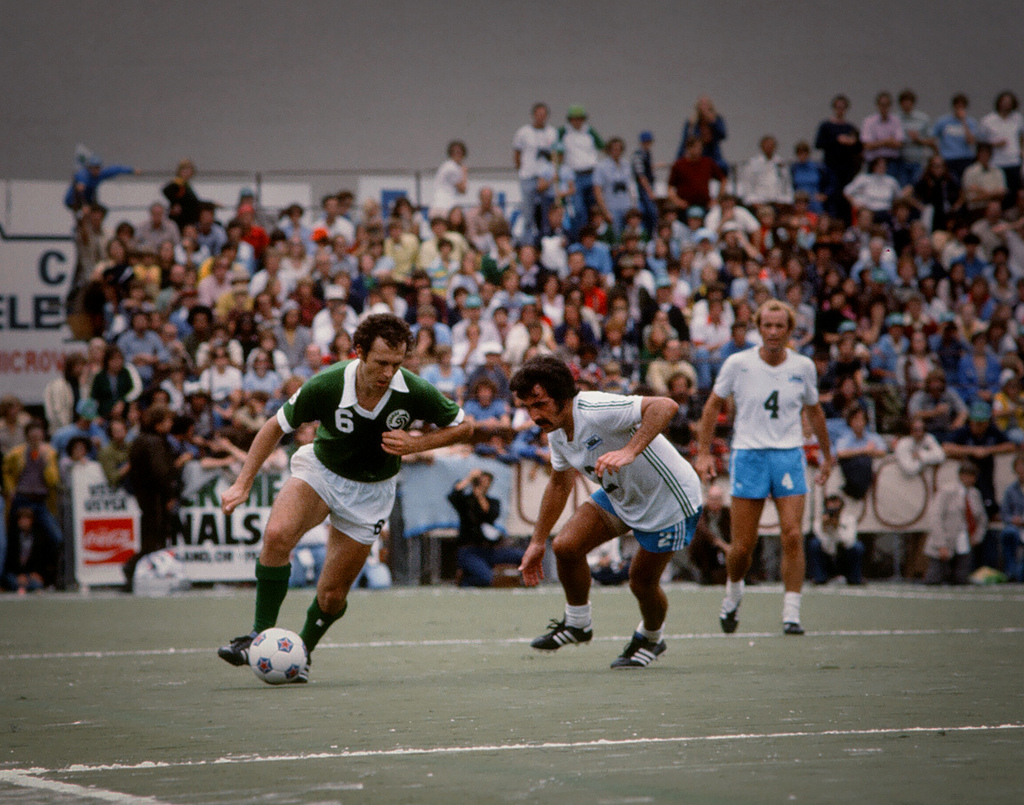
The Seattle Sounders have existed in multiple professional eras and multiple leagues, which is basically soccer’s version of having more lives than a cat.
The original Sounders emerged during the NASL’s 1970s expansion and helped establish Seattle as a legitimate soccer market. Decades later, the MLS version arrived and turned that history into one of the strongest fan cultures in American professional soccer.
The important part isn’t just the trophies … it’s the continuity.
Seattle didn’t suddenly decide in 2009 that soccer might be cool. There had been decades of supporters, youth players, indoor games, outdoor games, and local soccer culture waiting for the right professional infrastructure to arrive.
Fan Stop Nation’s Radio Psychiatrist Index: Seattle supporters have generated enough collective stadium noise to cause at least 14 opposing goalkeepers to briefly reconsider their career choices.
“Seattle didn’t discover soccer. Seattle just waited for the rest of America to catch up.”
MLS Hooligan historian
Portland Timbers: Where the Fans Became Part of the Team
Portland’s soccer story is another example of a city proving that professional soccer works when the culture exists before the corporate sponsorship deck.
The Timbers were another NASL-era club that helped establish soccer in the Pacific Northwest, later becoming one of MLS’s defining supporter cultures.
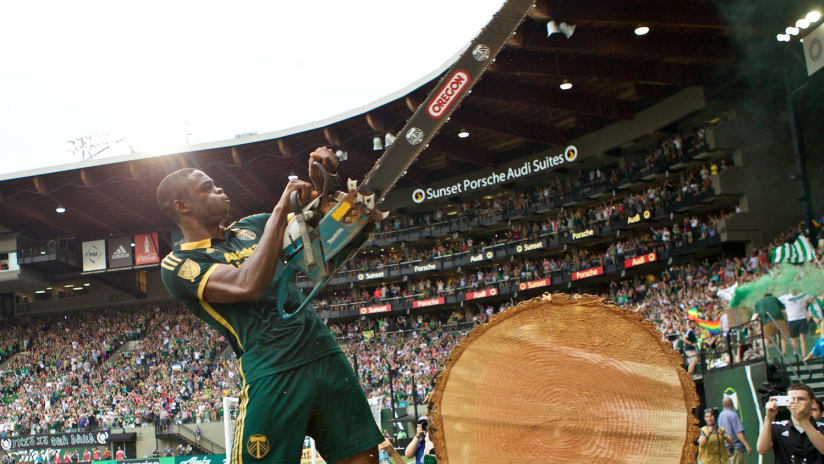
And then there is the actual timber. The chainsaw. The log. The absurdly entertaining tradition of cutting a giant piece of tree every time Portland scores.
American sports has given us cheeseheads, rally monkeys, terrible towels and foam fingers … Portland gave us forestry.
Fan Stop Nation’s Forestry Survey: Enough lumber has been ceremonially chopped after Timbers goals to construct a moderately sized suburban subdivision.
“Other teams celebrate goals with fireworks. Portland celebrates by bringing power tools into the stadium.”
Fictional OSHA inspector
Los Angeles Galaxy: When MLS Learned How to Become a Star
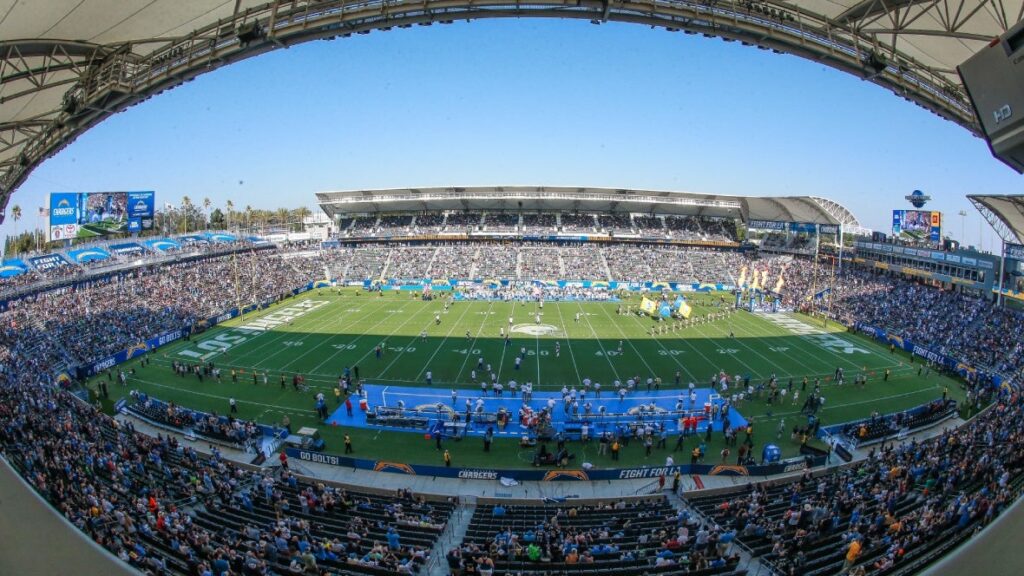
The Galaxy helped establish MLS as a league capable of producing serious soccer and serious celebrity … then David Beckham arrived.
Suddenly soccer wasn’t merely being discussed by soccer people. Beckham was everywhere: television, magazines, advertisements, celebrity culture, and eventually a very expensive pair of sunglasses somewhere in Beverly Hills.
The Galaxy’s significance goes beyond Beckham, though. The club became one of MLS’s foundational glamour franchises, combining international stars with American talent and helping establish the Designated Player model that eventually became a defining part of the league.
Fan Stop Nation’s Ball Bending Index: Beckham’s arrival increased the number of American men pretending they understood soccer tactics by approximately 600%.
“Beckham didn’t just bring a right foot to Los Angeles. He brought a marketing department with abs.”
Imaginary Front Office Executive
Kansas City Wiz: Yes, They Were Really Called the Wiz

Before Sporting Kansas City became Sporting Kansas City, they were the Kansas City Wiz.
Yes … The Wiz!
The team was one of MLS’s 10 charter clubs in 1995 and began play in the league’s inaugural 1996 season. The name changed to the Kansas City Wizards after that first season, and eventually the club became Sporting Kansas City.
The name is funny now, but the significance isn’t. Kansas City was there at the beginning.
The first MLS season. The first generation of American professional soccer after the collapse of the NASL.
And Lamar Hunt, already a giant in American football history, was instrumental in making the franchise happen.
The club won MLS Cup in 2000, proving that Kansas City wasn’t merely along for the ride.
Fan Stop Nation’s Fictional Reference Sheet: The word “Wiz” has been mentioned approximately 4.7 billion times by people explaining to younger fans that, yes, this was an actual professional sports team.
“The Wiz sounds like a magician, a discount electronics store, and a minor-league hockey team had a baby.”
Knobtown-based Kansas City fan
Atlanta United: MLS Finally Discovered the College Football Cheat Code
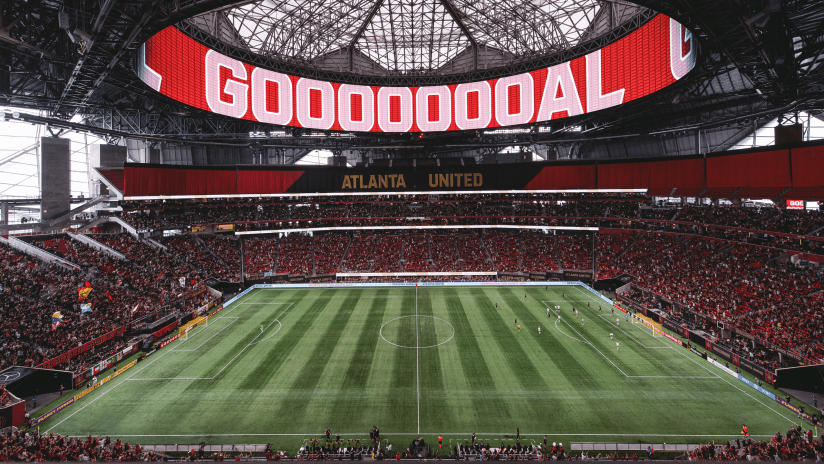
Atlanta United arrived in 2017 and immediately demonstrated what happens when MLS puts a major-league soccer club inside a city that already understands how to fill a stadium.
Mercedes-Benz Stadium. Massive crowds. A supporter culture that looked less like American soccer and more like a European football fever dream that accidentally landed in Georgia.
Atlanta won MLS Cup in only its second season.
That was not subtle.
Fan Stop Nation’s College Football Insider Index: Atlanta supporters have produced enough stadium noise to make several college football programs quietly wonder if they could borrow the supporters’ section.
“Atlanta figured out that Americans will watch soccer if you give them an atmosphere worth showing up for.”
Imaginary MLS marketing executive
Kansas City Comets: Indoor Soccer Was America’s Gateway Drug

Before soccer stadiums became sleek downtown architectural statements, Kansas City had Kemper Arena. And inside it? The Comets.
Kansas City’s indoor soccer roots date to 1981, when the original Comets joined the Major Indoor Soccer League. The team became a major local attraction and drew large crowds during the 1980s. A modern Comets franchise now plays in the Major Arena Soccer League.
Indoor soccer deserves its own appreciation. It’s faster. Smaller field. Boards. Nonstop action. Goalkeepers getting absolutely annihilated by shots from approximately six feet away.
It’s soccer after someone gave it three energy drinks.
And for American fans who weren’t ready for a 90-minute outdoor match, indoor soccer provided a spectacularly entertaining introduction to the sport.
Fan Stop Nation’s AstroTurf Report: Indoor soccer contains approximately 400% more opportunities for a goalkeeper to question every life decision that led them to the position.
“Outdoor soccer has space. Indoor soccer has walls. We chose violence.”
Retired Comets backup goalkeeper
Columbus Crew: The Club That Nearly Disappeared
The Columbus Crew deserve a special place in American soccer history because their story includes one of the sport’s most important near-disasters.
The Crew were one of MLS’s original clubs … then they were nearly moved to Austin.
Fans fought back. The “Save The Crew” movement became a national soccer story, and ultimately Columbus stayed home and became one of the most successful clubs in MLS.
It’s an important lesson: professional sports teams aren’t just assets on a balance sheet. They’re communities.
Fan Stop Nation’s Picket Line Report: Columbus supporters successfully generated enough emotional pressure to make at least 11 corporate executives discover the existence of feelings.
“You can move a spreadsheet. You can’t move a soccer club without asking the people who built it.”
Fictional Supporters’ Union lawyer
FC Kansas City: The Women Who Were Building Something Before Everyone Was Watching
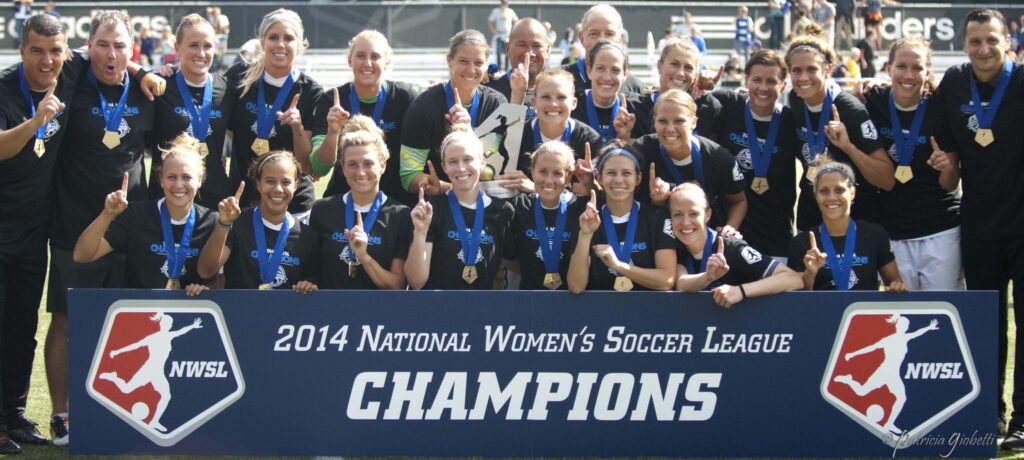
Long before Kansas City had one of the most ambitious women’s soccer facilities in the world, FC Kansas City was doing the much less glamorous work of keeping professional women’s soccer alive.
FC Kansas City won NWSL championships in 2014 and 2015 and helped establish Kansas City as a legitimate women’s soccer market.
The road wasn’t easy.
Facilities were limited. Financial stability was inconsistent. The women’s professional game was still fighting for attention and investment. But, those teams mattered because they created the audience and culture that made what came next possible … and what came next was enormous.
Fan Stop Nation’s Midwest Travel Report: FC Kansas City’s defenders collectively accumulated enough mileage to qualify for frequent-flyer status in three different airline programs.
“Before the stadiums and sold-out crowds, there were players proving the market existed.”
Imaginary women’s soccer historian
Kansas City Current: The Future Arrived on the Missouri River

The Kansas City Current represent something completely different. This isn’t merely a team trying to survive … it’s a team trying to change the expectations of professional women’s sports.
In 2024, the Current opened CPKC Stadium, the world’s first stadium purpose-built for a women’s professional sports team. The 11,500-seat venue was privately financed and designed specifically around the needs of the players and supporters.
That matters.
For decades, women’s professional teams were often treated like temporary tenants. Borrow the men’s stadium. Use whatever training facility is available. Make do.
Kansas City basically said “No” and built the house first … and the Current have backed up the investment with a fan culture that has made the stadium a legitimate destination. The club’s 2025 NWSL Shield was another sign that this isn’t merely a real-estate experiment with jerseys.
Fan Stop Nation’s Waterfront Advisory Committee: CPKC Stadium is so close to the action that approximately 94% of spectators routinely practice headers and touch throws.
“The old model asked women to prove they deserved a stadium. Kansas City built the stadium and told everyone to prove they could keep up.”
Rogue NWSL executive
Bonus — Ted Lasso: The Show That Sneak-Attacked America with Soccer
Here’s the part where we give television credit for something soccer marketing departments have been trying to accomplish for decades:
Ted Lasso got people to care about soccer without asking them to care about soccer.
That was the trick.
- You didn’t have to know what offside meant.
- You didn’t need to understand promotion and relegation.
- You certainly didn’t need to know why everyone was suddenly screaming about AFC Richmond.
You just needed to like Jason Sudeikis, laugh at Roy Kent’s vocabulary, and maybe have something emotionally wrong with you by the end of Season 2. Then, almost accidentally, you started caring about the actual sport.
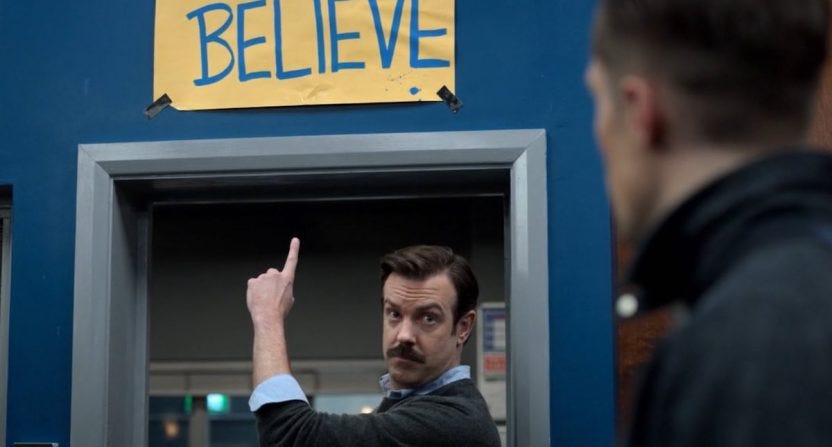
The show’s creators have openly embraced that idea, with Brendan Hunt (Coach Beard) saying the goal was essentially to get viewers to care about one fictional team and let that interest “transmute” into caring about the sport itself.
And there is some evidence that timing mattered. Since Ted Lasso debuted in 2020, U.S. soccer audiences have grown dramatically, although the show was certainly one piece of a much larger soccer boom.
For the never-soccer fan, that accessibility was everything. Ted Lasso didn’t lecture you about why soccer was great. It made soccer the setting for:
- a workplace comedy,
- an underdog story,
- a friendship show,
- a romantic drama,
- and eventually, a surprisingly good tutorial on the weird little details of the sport.
The show arrived during the pandemic, when America desperately needed something optimistic, and turned “Believe” into something more than a sign in a fictional locker room. It also became a gateway … you came for Ted, stayed for Roy Kent, accidentally learned what a false nine was, and six months later you’re yelling at your television because your MLS team just conceded in stoppage time. Congratulations. You’ve been got.
Fan Stop Nation’s Pub Index Report: We estimate Ted Lasso converted approximately 4.7 million soccer agnostics into people who can confidently yell “THAT’S OFFSIDE!” while having absolutely no idea whether it was actually offside.
“We didn’t make them soccer fans. We just tricked them into caring about a fictional English soccer team until they accidentally developed opinions about the real one.”
Unnamed AFC Richmond marketing executive
The U.S. Soccer Family Tree
Look at the history long enough and something becomes obvious.
The Cosmos helped prove stars could sell soccer.
The NASL showed there was an American appetite for professional clubs.
Indoor teams like the Comets made the game accessible and fast.
MLS gave the sport a sustainable top-flight structure.
Clubs like Kansas City, Seattle, Portland and Columbus proved local culture mattered.
Women’s teams like FC Kansas City helped establish a professional women’s game, and the Current raised the bar for what women’s teams should receive.
And modern clubs like Atlanta and Miami demonstrated the enormous commercial potential still sitting on the table.
None of these stories happened in isolation. They are connected.
Why This History Matters Now
American soccer is enjoying a moment that would have seemed completely ridiculous to a fan sitting inside Kemper Arena in 1984.
The 2026 World Cup has put the United States at the center of the global soccer conversation. MLS and NWSL clubs are investing in stadiums, academies, training facilities, players and supporters. The U.S. Open Cup continues to provide a rare pathway where professional and lower-division clubs can collide in the same tournament.
But none of this started with Messi.
- It started with people who were willing to watch soccer when doing so wasn’t cool.
- It started with Pelé at Giants Stadium.
- With indoor soccer at Kemper Arena.
- With fans in Seattle and Portland.
- With the Kansas City Wiz playing their first MLS game at Arrowhead in 1996.
- With women playing professionally even when the infrastructure around them was nowhere near good enough.
The beautiful game didn’t suddenly become American; America finally started paying attention.
The Final Whistle
The greatest thing about American soccer history is that it isn’t a straight line. It’s a pile of abandoned logos, resurrected names, folding leagues, bizarre mascots, legendary players, terrible business decisions, passionate supporters and improbable comebacks.
The Cosmos disappeared. The NASL disappeared. The Wiz disappeared. The Comets disappeared and came back. The Timbers and Sounders survived multiple eras. The Crew nearly moved and didn’t. The Current built a stadium that would’ve sounded like science fiction twenty years ago.
That’s the story. Not one league; one team; one superstar. A relay race … every generation carried the sport a little farther before handing the ball to the next one.
And if the current explosion of American soccer is the payoff, remember the people who were in the stands when nobody thought there would ever be a payoff.
They weren’t watching the future — they were building it.